
You don’t come to Newfoundland for cities – you come for fjords, puffins, cliffs that drop into the sea, and quiet hikes where you might not see another soul. A Newfoundland roadtrip is about moving slow, staying curious, and knowing when to detour. This itinerary is for travelers who want to explore the island with breathing room, not those trying to cram every lighthouse and iceberg into five rushed days.
Over 10 days, I road-tripped across Newfoundland with my partner’s family, driving from St. John’s to Gros Morne and Twillingate and back again. Some of us tackled intense hikes. Others lingered in towns. Everyone found something to love and more importantly, enough time to actually enjoy it.
In this guide, I’ll show you exactly how we structured the route, which stops were worth it, what we skipped (and why), and how to pace the drive so you’re not stuck behind the wheel more than necessary.
Why Road Trip Newfoundland?
Newfoundland isn’t built for public transport. If you want to actually see the place – the cliffs, the coves, the tiny fishing towns tucked behind hills – you need to drive. And not just point-to-point driving. You need the kind of freedom that lets you pull over when you see a moose on the road (it’ll happen) or stop for a coastal walk that wasn’t on the itinerary.
Getting around by car just makes everything smoother. Distances are longer than they look on Google Maps, and outside of St. John’s, options for buses or tours are close to nonexistent. Driving gives you more control, especially if you’re like me and don’t believe in one-day-per-place travel. It’s rushed, stressful, and honestly kind of joyless.
🚗 If you haven’t booked your rental yet, I recommend using Discover Cars. It compares multiple agencies so you can find a decent deal.
Overview of Our 10-Day Route
We spent 10 days driving across Newfoundland in July, with a group that ranged in age from 2 to 70 — which naturally shaped how we planned the trip. Instead of hopping between towns daily, we built the route around fewer bases and longer stays.
Our route looked like this:
St. John’s → Gros Morne National Park → Twillingate → St. John’s
- Days 1–3: St. John’s and nearby coastal hikes
- Day 4: Full-day drive from St. John’s to Gros Morne (with scenic detours)
- Days 5–7: Gros Morne National Park
- Days 8–9: Twillingate
- Day 10: Drive back to St. John’s and fly home
We skipped places like the Viking settlement and Bonavista Peninsula because we didn’t want to spend the entire trip in the car. Gros Morne felt like the heart of the trip – and that’s where we wanted to slow down.
Driving in Newfoundland: What to Know
You’ll need a car – there’s no way around it. Outside of St. John’s, public transport is scarce and unreliable. If you want to see the coastlines, cliffs, and tiny towns tucked behind hills, you have to drive.
But don’t trust Google Maps blindly. Driving in Newfoundland always takes longer than it looks.
Here’s why:
- Winding roads and low speed limits mean progress is slower than mainland highways.
- Moose are common, especially around dawn and dusk. Drive cautiously and avoid nighttime driving when possible.
- Fuel stops are few and far between – keep your tank topped up.
- Weather changes quickly. Bring layers, bug spray, and be ready for rain even on clear mornings.
Cell service is spotty. Download offline maps for Google Maps before you go.
✈️ If you’re flying through Toronto on your way to Newfoundland and have a layover or spare day, here are a few free things to do in Toronto to do in the city.
Day 1–3: St. John’s
We spent our first three days in and around St. John’s and I’d recommend starting your roadtrip here. It’s easy to get to, it’s where we picked up groceries and supplies, and it offers a mix of walkable city time and coastal views without needing to drive far.
We didn’t try to cram too much in. Just a few highlights, spaced out enough to actually enjoy them.
Most international flights land here, making it the most practical starting point.
✈️ Compare flight prices on Skyscanner
What to do in St John’s
St. John’s is where most travelers start their trip and it’s worth more than a quick stop. The city has walkable neighborhoods, easy grocery runs, and enough coastal trails and historic spots to fill a few solid days without getting in the car.
I’ve covered even more local hikes, food spots, and day trips in my full St. John’s travel guide.
Cape Spear
20 minutes from downtown St. John’s
Cape Spear is the easternmost point in North America. You’ll find a historic lighthouse, rugged cliffs, and wide ocean views that feel completely exposed to the elements. The walking paths are easy, and it’s a peaceful way to start or end your day. We didn’t spot whales here, but the landscape alone is worth it.
Ferryland Lighthouse Picnic
1 hour 15 minutes from downtown
On Day 2, we drove the Irish Loop and this was easily the highlight. You park at the edge of town and walk up a gently sloped trail to the lighthouse – it’s about a 25-minute walk, and they do offer rides one-way or both for $5 if needed.
You can preorder a picnic basket to pick up at the start, and a lot of people were doing that (we didn’t, but it looked great). The views at the top are incredible, and the lighthouse itself is beautiful. We had perfect weather that day, and while sitting on the cliffs, we watched a bunch of whales feeding near the shore below us. It felt like one of those moments you couldn’t plan for if you tried.
Signal Hill
10 minutes from downtown
We tackled this on our second day as well. It’s a short but steep climb with sweeping views over the harbor and coast. It’s a popular spot but didn’t feel overcrowded. And from the top, we saw whales again – totally by chance – and ended up staying longer than planned just watching the water.
💡 If you don’t have a car or prefer going with a guide, this local tour combines Cape Spear + Signal Hill and a walking tour of downtown: Book the Cape Spear + City Walking Tour
Downtown St. John’s
We kept things easy in the afternoons. Walked around Water Street, checked out the Jellybean Row houses, and had dinner nearby. If you want nightlife or live music, George Street is close by, but with family in tow, we leaned more toward quiet evenings.
Witless Bay Puffin & Whale Tour
45 minutes from downtown
If you’re here between May and August, this tour is a great option. It takes you through the Witless Bay Ecological Reserve, where you’ll see puffins, whales, and sometimes even icebergs. Book the tour here.
Where To Stay In St John’s, Newfoundland
Sea View | Alt Hotel has modern rooms with floor-to-ceiling windows and a front-row view of the harbor.
Downtown Boutique | Blue on Water is small hotel in a historic building, right on Water Street, with a restaurant downstairs. JAG Boutique Hotel is music-themed, centrally located, and an easy walk to George Street.
Apartment Stay | Water Street Condos. Apartment-style rental with a kitchen — ideal for longer stays or more flexibility.
Optional Detour: Bonavista Peninsula
🚗 Drive time from St. John’s: ~3 hours
We drove straight from St. John’s to Gros Morne, but if you’re looking to break up the drive, this is where I’d do it.
We ended up skipping it because we wanted to maximize our time in Gros Morne and we’d also found a great glamping spot there that we didn’t want to miss. The rest of the family split the drive and stayed in Gander. I wouldn’t recommend it. Gander doesn’t have much to see, and the drive from there to Gros Morne isn’t particularly scenic either.
The rest of the family stayed overnight in Gander to split the drive, but I wouldn’t do the same. Gander’s landlocked and built around the airport, there’s not much to see or do. If you’re set on stopping nearby, consider Grand Falls-Windsor instead. It’s just an hour from Gander, and has actual attractions: salmon viewing at the Salmonid Interpretation Centre, riverside cafes, a local museum, and even ziplining if you’re feeling adventurous.
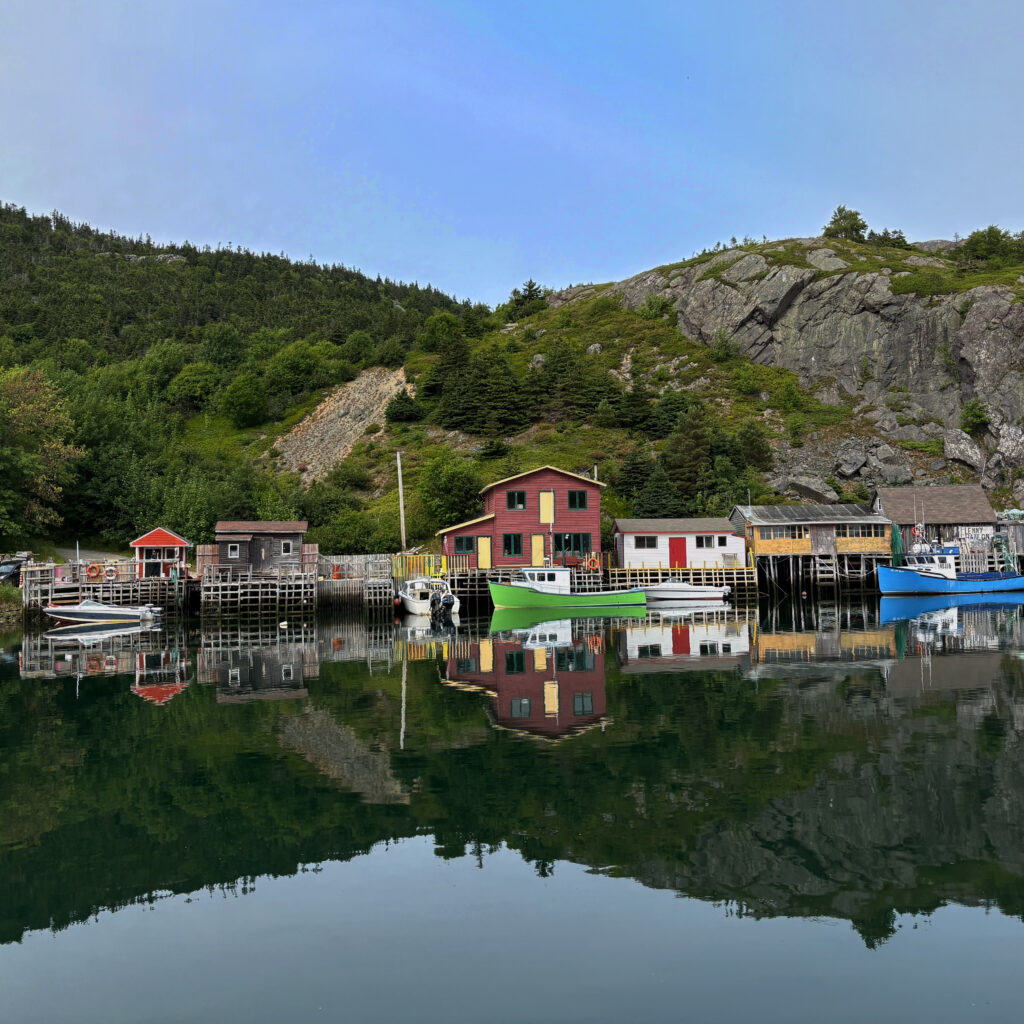
But if you have the time, the Bonavista Peninsula offers more in terms of scenery and stops:
- Trinity + Port Rexton – Quiet towns with cafes, a few shops, and a seasonal arts scene
- Skerwink Trail – Short, stunning coastal hike (widely recommended)
- Elliston Puffin Site – One of the easiest places to see puffins from land
- Cape Bonavista Lighthouse – A scenic, easy photo stop near the tip of the peninsula
Where to Stay Bonavista Peninsula
By the Sea Tourist Home | Adults-only B&B in Bonavista with sea views, fireplaces, and private bathrooms — ideal for a quiet, cozy night near the coast.
Harbourside Inn | Family-run inn in Port Union with sea or garden views, parquet floors, and roomy bathrooms — a good fit if you’re looking for space and simplicity.
Day 4–6: Gros Morne National Park
🚗 Drive time from St. John’s: ~7.5 hours
This is your longest drive of the trip, and it takes longer than Google Maps says. The roads are winding, the scenery is spread out, and you’ll want to make a few stops along the way.
Drive Highlights
- Terra Nova Visitor Centre – We stopped here for lunch and I’d genuinely recommend it. It’s not fancy, but there are picnic tables, basic sandwiches, and a view that’s a lot better than any gas station stop. A nice place to stretch your legs.
- Dover Fault Lookout – Quick detour with a big payoff – geological formations and panoramic views, just a few minutes off the highway.
What to Know About Gros Morne
Gros Morne National Park is massive and spread out – think of it more like a region than a single destination. It’s split between two main areas: the south (Trout River/Tablelands) and the north (Rocky Harbour/Norris Point/Western Brook Pond). Each area offers totally different landscapes and hikes, so you’ll want a few days to do it justice.
If you’re flying, you can land at Deer Lake, about 45 minutes from Rocky Harbour. We didn’t – flights were too expensive when we went – but it’s an option if you’re short on time.
Once you’re in Gros Morne, the real highlight is the variety, you can get everything from alpine hikes to coastal walks to surreal desert-like terrain. You’ll want at least three days here.We spent our first night near Rocky Harbour in a cozy chalet (good base for food and proximity to Western Brook Pond). After that, we moved to Cormack for cheaper stays and easier access to southern trailheads like the Tablelands.

What to Do in Gros Morne
We did all the hikes listed here, and I’d do them again in a heartbeat. Each one shows a different side of the park.
Tablelands Trail (★ ★ ★ ★ ☆)
4 km / ~1 hour return – Easy
This trail gives you a glimpse into the Earth’s mantle – literally. The Tablelands are one of the few places in the world where the mantle has been pushed above the Earth’s crust, creating a rust-colored, desert-like landscape. It’s bizarre and beautiful, with minimal vegetation and a totally different look from the rest of Newfoundland. The hike itself is flat and accessible, and its very worth it!
Coastal Trail + Tuckamore Forests (★ ★ ★ ★ ☆)
~6 km return – Easy to moderate
One of our favorite surprises. The “tuckamore” trees look like a wall from the outside, but once you enter, it’s like stepping into a hidden world. The trail hugs the coast with scattered viewpoints.
Eastern Point Trail (★ ★ ★ ☆ ☆)
~2.5 km – Easy loop
A short loop with ocean views and cliffside sections. It’s easy to fit into your day — but be warned: the wind was wild when we went. Gusts strong enough to knock you sideways.
Western Brook Pond Viewpoint + Long Range Traverse (★ ★ ★ ★ ★)
This area is home to Gros Morne’s most iconic view – the towering fjord-like cliffs of Western Brook Pond.
To see the view, you have a few options:
- Boat Tour: 45-minute walk from the parking lot to the dock, followed by a scenic boat ride through the fjord
- Guided Day Hike: A physically demanding but doable option to reach the top viewpoint ($325/person in 2025; guides required)
- Long Range Traverse: What we did – a multi-day, backcountry hike across some of the most rugged and rewarding terrain in Canada. There are no marked trails, and you’ll need to pass a navigation orientation, carry all your gear, and be fully self-sufficient. It’s not for beginners, but it was hands-down the highlight of our trip.
👉 Read about the Long Range Traverse
Here are some other trails recommended by AllTrails in Gros Morne National park.
Where To Stay In Gros Morne
We stayed in Cormack the night before – it’s about 45 minutes from Western Brook Pond. Doable, but not ideal. If I were doing it again, I’d stay in Rocky Harbour or Norris Point instead. It’s closer, prettier, and you’ll have more options.
Out East Hostels – Rocky Harbour | A well-run hostel with clean rooms, relaxed vibe, and a surprising perk: they sell MSR fuel canisters on-site.
Out East B&B – Norris Point | Quieter, more private, and scenic — ideal if you’re looking for peace and a good breakfast before a hike.

Day 7–9: Twillingate
🚗 Drive time from Gros Morne: ~5.5 hours
Truthfully, we didn’t make it to Twillingate ourselves. The Long Range Traverse hike took longer than expected, and by the time we wrapped up, we were exhausted and behind schedule. If you’re doing that hike (or anything similarly intense), give yourself buffer time. We didn’t, lesson learned.
That said, Twillingate was part of our original plan, and the rest of the family went ahead without us. They loved it.
This is what we had mapped out – and I’d still recommend it if you’re looking for a quieter, scenic stop before heading back east.
What to Do in Twillingate
- Iceberg Boat Tour (★ ★ ★ ★ ☆)
The area is known as “Iceberg Alley” for a reason. This 2-hour boat tour gives you a front-row seat to floating ice giants, humpback whales, and coastal seabirds — especially in early summer.
👉 Book the Twillingate Boat Tour - Coastal Walks + Lookouts
There are easy trails and viewpoints near Long Point Lighthouse. The scenery is rugged and windswept — the kind of stuff that sticks with you long after the trip.
If you’re not keen on doing another long drive, this part of the trip is optional. You could also use these days to drive back slowly toward St. John’s or extend your time in Gros Morne instead.
Day 10: Return to St. John’s & Fly Home
🚗 Drive time from Twillingate: ~5.5 hours
🚗 Drive time from Gros Morne (if skipping Twillingate): ~7.5 hours
Our return didn’t exactly go to plan – after finishing the Long Range Traverse, we couldn’t find any accommodation near Deer Lake and ended up driving halfway across the island at midnight. We slept a few hours in the closest place we could find and finished the drive to St. John’s early the next morning, straight to the airport. It worked, but I wouldn’t recommend cutting it that close.
If you’re planning your own return, don’t cut it as close as we did. Look at your flight time and build in buffer – either by stopping somewhere en route, or planning to arrive in the city the night before. The drive across the island is long, and while it’s not packed with major attractions, it’s still scenic in parts.
A little planning here goes a long way especially when it means not ending your trip in a rush.
Planning Your Newfoundland Trip
How Many Days Do You Need?
If you’re flying in from out of province, 10 days is a great sweet spot. It gives you time to see the highlights (like Gros Morne and St. John’s), with a few slower days built in.
Short on time?
Skip Twillingate, fly into Deer Lake, or cut down your time in St. John’s depending on your priorities.
How Long Does It Take to Drive Around?
Don’t trust Google Maps blindly – driving in Newfoundland always takes longer than expected.
The roads are winding, the speed limits are low, and there aren’t many highways. Build in buffer time and be generous with your estimates.
Best Time to Visit Newfoundland
- May to October is the ideal window.
- May–June: Icebergs in Twillingate
- June–August: Best weather + whale sightings
- September: Fewer crowds, still pleasant
What Makes Newfoundland Worth the Drive
Ten days in Newfoundland isn’t just about checking places off a list — it’s about the long coastal roads, the unexpected whale sightings, and the feeling of really getting to know a place. From the alien landscapes of Gros Morne to puffin tours, quiet trails, and walkable towns, this roadtrip lets you slow down and stay curious.
If you’re still piecing together your plans, you’ll find more ideas, day trips, and local hikes in our guide for St. John’s.
Happy travels and may your car be moose-free. 🫎
