There are few things that stress me out more than renting a car – especially in a new country. Which card will they accept? Will there be surprise fees? What happens if I damage a tire on some mountain road I didn’t even know existed?
When I decided to road trip across Montenegro, I was living in Europe and fully leaning into my long-held fantasy of a Bollywood-style European adventure – wind in my hair, a convertible car, dramatic coastal highways. But before the vibes came the logistics.
If you’re anything like me, you’re probably drowning in tabs trying to figure out where to book, what paperwork you need, and whether driving in Montenegro is even safe.
Here’s the good news: renting a car in Montenegro is easier than you’d think if you know what to expect. In this guide, you’ll find:
- Reliable booking platforms (including those that don’t require a deposit)
- What to expect from road rules, signage, and driving culture
- Practical rental tips to help you avoid surprises and stay focused on the road ahead
Why Rent a Car in Montenegro?
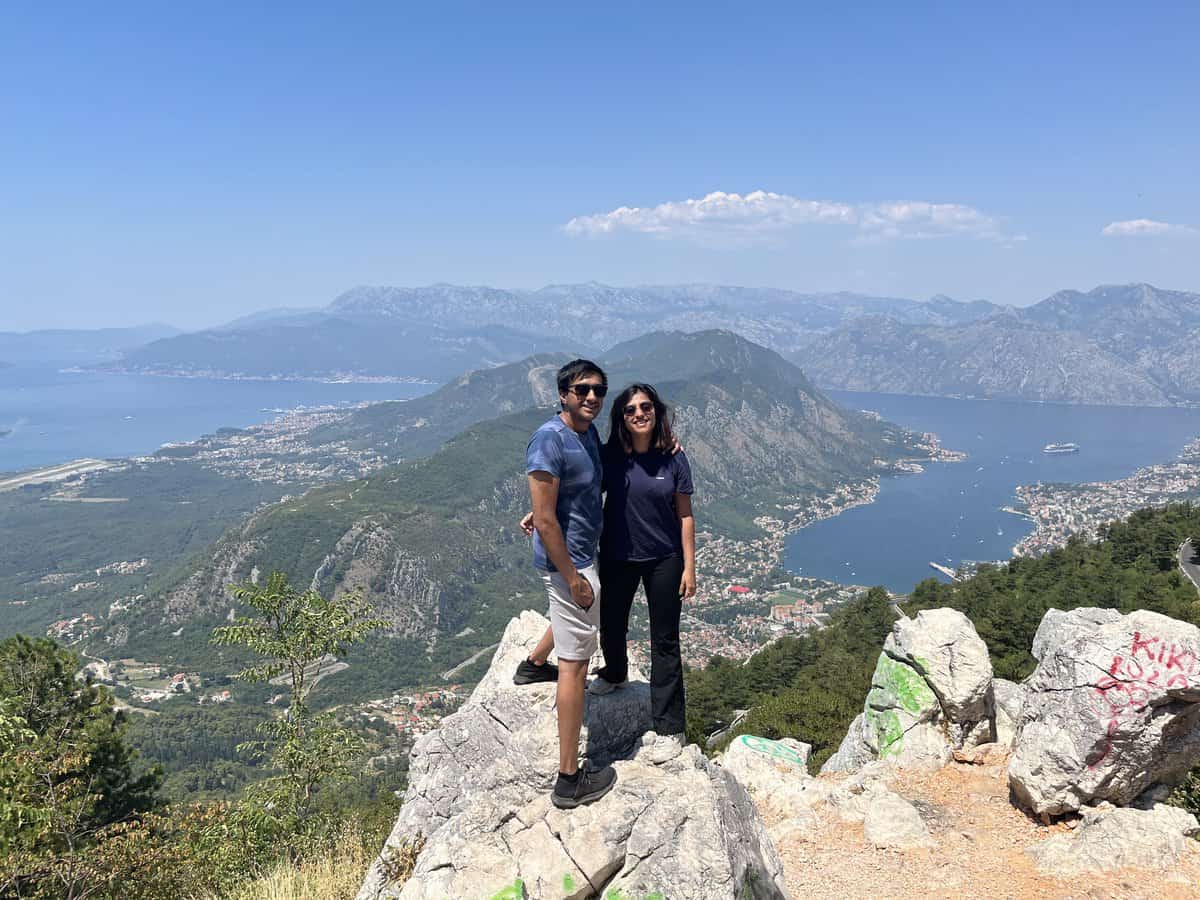
Montenegro is one of those countries where the real magic happens between destinations – winding coastal highways, sleepy stone villages perched above turquoise bays, and mountain roads that climb into alpine forests before suddenly dropping into river canyons. And most of it? Completely inaccessible unless you’ve got your own wheels.
Buses exist, sure. But they’re infrequent, slow, and don’t go everywhere – especially places like Durmitor National Park or smaller beach towns along the Adriatic. Taxis are expensive, and tours can’t give you the freedom to linger at a roadside view or take a random detour to a waterfall you just spotted on the map.
For our trip, we picked up our car in Podgorica, drove south into Albania, then circled back through the coast and mountains – including a stop in Durmitor – before returning the car where we started. Having a car let us travel on our own terms, skip the crowds, and reach places that just aren’t covered by public transport.
If you’re still planning your route, you can follow our 10-day road trip itinerary for Montenegro, which was built entirely around having a rental car. And if you’re coming from nearby Bosnia, driving into Montenegro is straightforward too. I’ve covered some of those routes in my Mostar travel guide and what to see in Sarajevo posts.
How and Where to Book a Rental Car in Montenegro
Montenegro’s rental car scene is refreshingly straightforward once you understand the landscape. You can either book with international rental chains (like Sixt, Hertz, Avis) or choose from a wide range of local providers – some of which are run by families or small businesses with surprisingly professional service.
If you’re the kind of traveler who values predictability, international companies may feel more familiar but they often come with higher deposits, stricter pickup rules, and fewer flexible payment options. In contrast, local agencies tend to be more relaxed, more affordable, and more accommodating – especially when it comes to things like airport pickups, cash deposits, and cross-border travel.
Regardless of who you book with, it’s best to reserve your car well in advance if you’re visiting between May and September. Not only will prices spike in summer, but the most popular pickup spots (especially Podgorica and Tivat) sell out of automatics quickly and trust me, you don’t want to be learning how to drive a stick on a Montenegrin mountain pass.
Best Car Rental Platforms in Montenegro
Instead of Googling every agency one by one, use a rental aggregator to compare options, pricing, and policies all in one place.
| Platform | Best For | Key Features |
|---|---|---|
| Localrent | Budget-conscious travelers supporting local agencies | Low or no deposit, cash payment options, great airport coverage |
| DiscoverCars | Comparing local and global agencies in one place | Strong filters, transparent terms, excellent price range |
| Rentacar | Simple, reliable platform with a wide range | Fast interface, large inventory, dependable support |
These platforms are ideal for browsing deals across providers, especially if you’re booking during peak travel months and want the best combination of price + pickup flexibility.
💡 Tip: If you’re arriving in Podgorica or Tivat, most rental companies offer airport pickup – just make sure to confirm in advance, especially if you land late.
Recommended Local Car Rental Companies
If you’re booking direct or prefer a more personal experience, several local rental companies in Montenegro stand out for their flexibility, transparency, and good service.
RespectaCar is a reliable option, especially for airport pickups in Podgorica or Tivat – they’re often praised for smooth communication and hassle-free handovers.
MTL Rent a Car is another favorite among travelers for their range of vehicles and flexible pickup/drop-off timings.
Tara-Car is one of the few agencies that explicitly advertises a no-deposit policy, making it ideal for travelers without a credit card or those who prefer not to tie up funds. Just be sure to email ahead to confirm details like cash payments, late pickups, or taking the car across the border.
Best Pickup & Drop-off Locations
The most popular places to pick up a rental car in Montenegro are Podgorica and Tivat, and for good reason. Both cities are served by international airports, and most rental agencies – including local companies – offer direct pickup and drop-off at the terminals.
Podgorica generally has a wider selection of vehicles and lower prices, making it the better choice if you’re arriving in the capital or planning a longer trip. Tivat, on the other hand, is ideal if your trip is focused on the coast – particularly Kotor, Perast, and Budva – and you want to avoid the inland drive altogether.
It’s also worth knowing that you don’t have to drop off your rental car in the same city you picked it up. Most rental companies in Montenegro allow one-way rentals, though you may be charged an additional fee (typically €20–€50). If you’re planning a cross-border road trip make sure your rental agency allows it, and check the fee for international drop-off or border crossing. It’s not automatic, and policies vary significantly between providers.
💡 Tip: If you’re flying into one city and out of another, one-way rentals can actually save you time – just double-check the fees and confirm the drop-off location in advance.
Driver Requirements and Documents Needed to Rent a Car in Montenegro
Renting a car in Montenegro is relatively easy when it comes to paperwork. Most foreign travelers will be just fine with their home country license.
We rented as a group of three, with one Canadian license and two Pakistani licenses – all were accepted without any issues. As long as your license is in English (or uses Latin script), you won’t need an International Driving Permit (IDP). That said, some rental agencies list it as a requirement on paper, even if they don’t enforce it – so it’s worth double-checking if you’re renting from a smaller provider. Here’s a breakdown of when an IDP is actually required.
Most companies require drivers to be at least 21 years old, though some may add a “young driver” surcharge for renters under 25. You’ll need to have held your license for at least one year.
Here’s what you’ll need to bring with you at pickup:
- A valid driver’s license
- Your passport (don’t forget this – they’ll ask to see it!)
- A credit or debit card (or cash, depending on your agency’s deposit policy)
💡 Pro tip: Even when insurance is included, you’re often on the hook for minor damages unless you’ve added full coverage. We scratched the car just before returning it – nothing major, but it did lead to a bit of tense negotiation over the deposit. In our case, we ended up paying around €30. Your experience may vary, depending on how strict (or flexible) your rental agency is.
Rental Car Insurance in Montenegro: What’s Worth Paying For?
If you’ve ever rented a car abroad, you know that insurance is where things get fuzzy and sometimes expensive. In Montenegro, most rental companies (especially local ones) include basic insurance like third-party liability and Collision Damage Waiver (CDW) in the rental price. This means you’re covered for major damage, but you’ll still have an excess (deductible) that you’re responsible for – usually ranging from €300 to €1000 depending on the car and company.
Whether or not you add full coverage is up to you. If you’re driving through mountain roads or unfamiliar with narrow coastal streets, it can offer peace of mind. But for confident drivers, it’s often unnecessary especially if you’re renting from a smaller agency with more lenient damage policies.
Larger international companies tend to push extra insurance add-ons at pickup. Local agencies, in contrast, are usually more upfront and often let you decline extra coverage without the hard sell.
Before you book, check your rental agreement for:
- Whether CDW is included
- The amount of the deductible
- Whether tires, windows, and undercarriage are excluded from coverage
If you want full protection but don’t want to pay the rental company’s rates, you can also use a third-party insurance provider (like the ones bundled with some credit cards or travel insurance plans) – just be sure they cover rentals in the Balkans specifically.
🛂 Montenegro is visa-free for anyone already holding a valid Schengen or US visa. I’ve also mapped out visa access for Pakistani passport holders across every other country – e-visas, visa-on-arrival, visa-free entries, and more. Check the visa tool
Costs of Renting a Car in Montenegro
Montenegro is one of the more affordable countries in Europe to rent a car, but prices can still vary depending on season, car type, and rental company. During the summer high season (June to September), expect to pay around €40–€70/day for an economy car with manual transmission. Automatics are often more expensive and limited in availability, so booking early is essential if you’re not comfortable with a stick shift.
Off-season rentals can dip as low as €20–€30/day, especially through local companies. This usually includes basic insurance like Collision Damage Waiver (CDW), though the deductible (your financial responsibility in case of damage) still applies.
What’s not always included in the quoted price are the little extras:
- One-way rental fees if you drop off in a different city
- Additional driver fees
- Young driver surcharges (under 25)
- Toll charges, such as for the Sozina Tunnel – one of Montenegro’s few major paid roads
Fuel costs are moderate – closer to Western European prices than Balkan budget – and most gas stations accept both cash and card. You’re expected to return the car with the same fuel level as when you picked it up.
We splurged on a Mini Cooper convertible for the vibes alone – which, while not the most practical choice for narrow roads or mountainous terrain, made every coastal highway feel like a film set. If you’re going for scenic overland routes (like the drive through Durmitor National Park), consider something with a bit more ground clearance.
Rules for Cross-Border Travel: If you’re planning to drive into another country, like Bosnia and Herzegovina or Albania, most rental companies will charge an additional €40–€50 for cross-border paperwork. You must request this ahead of time – otherwise, your insurance may be void the moment you cross the border. Dropping off a car in another country is rarely allowed, but if it’s important for your route, some agencies may permit it for an extra fee.
Driving in Montenegro: Rules, Road Conditions, and Safety Tips
Driving in Montenegro is easily one of the best ways to experience the country’s wild, mountainous beauty but it does come with a few quirks. If you’re used to wide American highways or pristine German autobahns, get ready to adjust.
Most of Montenegro’s roads are paved and in decent condition, but they can be narrow, winding, and full of blind curves, especially in the north or along mountain routes. Coastal roads are generally wider and more modern, but still require focus, especially in peak summer when traffic gets intense.
Montenegrin drivers tend to be confident and assertive, often overtaking aggressively on single-lane roads. This isn’t cause for panic, just something to be aware of – leave space, use your mirrors, and don’t take it personally.
One of the most memorable (and nerve-wracking) drives is the road up to Lovćen National Park via the Kotor Serpentine. With over 25 tight hairpin bends carved into a cliffside, it’s equal parts breathtaking and intense. If you’re nervous, consider taking this route early in the morning when traffic is lighter but if you can handle it, most other roads in Montenegro will feel like a breeze by comparison.
Basic Driving Rules in Montenegro
- Drive on the right-hand side of the road
- Headlights must be on at all times, even during the day
- Seatbelts are mandatory
- Alcohol limit is 0.03% – basically one small drink or less
- Speed limits are typically:
- 50 km/h in cities
- 80 km/h on open roads
- 100 km/h on major highways (check signage)
- Watch for speed cameras – they’re not everywhere, but they do exist, especially near touristy areas. Drivers coming from the opposite side of the road will often warn you of cameras or cops ahead.
Driving in Winter
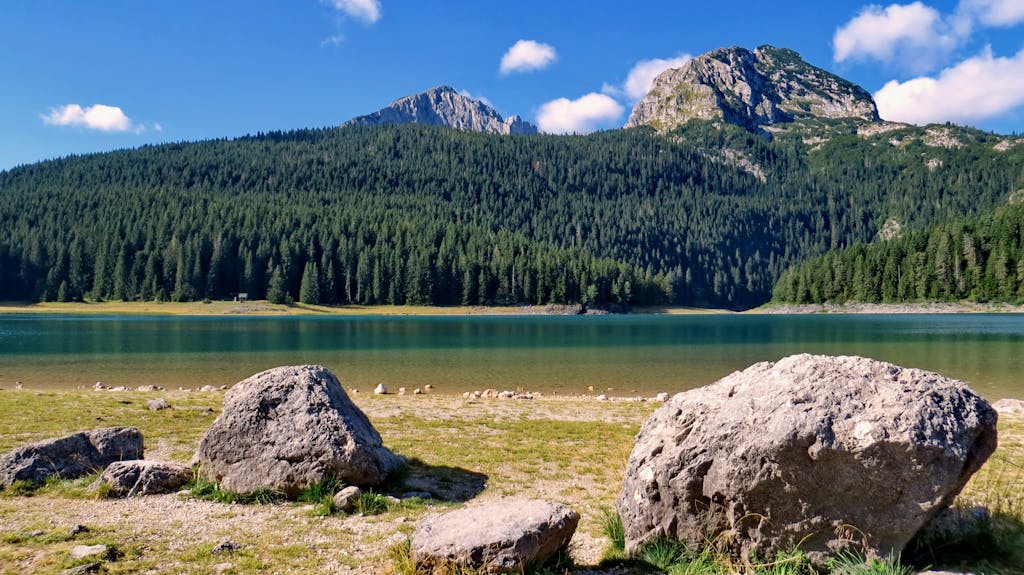
Montenegro’s mountains can get snow-covered and icy in winter, especially from December through March. If you’re heading to Durmitor National Park, check weather conditions and make sure your rental includes winter tires and snow chains. Some roads may be closed entirely in bad weather.
Navigation and Fuel in Montenegro
Getting around Montenegro is surprisingly straightforward – as long as you have the right tools. Road signs are generally well-marked and use the Latin alphabet, though in some rural areas you may also see Cyrillic script. Most major towns and attractions are clearly signed, but once you head into the mountains, signage can get a bit sparse – another reason to have a reliable navigation system.
We used Google Maps with a local SIM card, and it worked flawlessly even in remote areas. If your phone is unlocked, consider installing an Airalo eSIM – it’s a fast and affordable way to stay connected throughout your trip.
Gas stations are frequent along major roads, and you’ll find both petrol and diesel options – check your rental agreement or fuel cap to make sure you know which one to use. Staff at most stations will fill the tank for you (especially outside cities), but some stations are self-service. Either way, you can pay by card or cash inside the station – Visa, Mastercard, and Maestro are widely accepted.
Most rental agreements operate on a full-to-full fuel policy, meaning you should top up before returning the car. If you’re driving to remote areas or national parks, it’s a good idea to fill up in larger towns beforehand – gas stations can get sparse once you’re out in nature.
Driving Distances in Montenegro
To help you visualize just how compact the country is, here are a few driving times between popular destinations:
- Podgorica → Kotor: 1.5 hours
- Kotor → Durmitor National Park: 3.5 hours
- Kotor → Albania border (via Hani i Hotit): 2 hours
Everything’s relatively close – which is exactly why renting a car gives you so much flexibility.
Where to Park in Montenegro (and What to Watch Out For)
Parking in Montenegro is more manageable than you might expect – especially if you plan ahead. Many accommodations, particularly in Durmitor National Park and smaller towns, offer free on-site parking. In cities like Kotor and Budva, it’s worth checking in advance whether your hotel or Airbnb includes parking. Ours did, and it made everything so much easier – we often just left the car and walked into town.
Public parking zones in cities are typically paid, either at street meters or through local apps (like “Parking Montenegro” in some areas). Rates vary by zone and proximity to the center, but expect to pay around €0.50 to €1.50 per hour in tourist hotspots.
A few tips to keep in mind:
- Look for signage or curb markings to avoid fines – blue lines usually indicate paid parking
- Have coins or a card ready – some machines don’t accept notes or foreign cards
- In popular places like Sveti Stefan, paid lots may be the easiest option, especially during high season
- If you’re staying near an old town or coastal center, it’s often easier to park and explore on foot
While we didn’t run into major issues, it’s smart to confirm parking details with your host before booking – especially during summer when spaces can fill up quickly.
What Kind of Car Should You Rent?
If you’re sticking to cities or the coastline, almost any car will do. But for mountain regions like Durmitor or Lovćen, a car with decent ground clearance makes the drive more comfortable. Automatics are limited and often cost more – book early if you need one.
We went with a Mini Cooper convertible, and while it wasn’t the most practical choice, it was unforgettable for those cinematic coastal drives.
Compare Car Rental Prices Now
Looking for the best rental deal? These platforms make it easy to compare offers from both international brands and local agencies:
- DiscoverCars – Known for competitive pricing and clear terms
- Localrent – Great for affordable local rentals and flexible deposit options
Use filters to narrow by transmission, car type, and pickup location – and book early for the best rates.
So… Should You Rent a Car in Montenegro?
If you’re still on the fence, here’s the short version: yes – especially if you want to see more than one city or venture into the mountains. The logistics are easy enough, the roads are scenic (if occasionally chaotic), and you’ll have the freedom to chase waterfalls, alpine lakes, and cliffside coastal drives on your own terms.
Ready to plan your route? Head over to our 10-day Montenegro itinerary or map out a bigger trip with this 2-week Europe itinerary.
