
Booking a hotel in Rome is weirdly stressful. Search the city and you get hundreds of options across neighbourhoods you’ve never heard of, nearly all of them calling themselves “central”. The map doesn’t help much either, because the sights you came for are packed into one small part of the city that the metro barely reaches. Pick the wrong area and you lose a chunk of every day just getting in and back.
I finally made it to Rome for my birthday, after years of living in Europe and somehow never going, and I had 2 days. I stayed near Piazza Navona and walked almost everywhere, and that trip is why I have strong opinions about where first-timers should stay.
This guide to where to stay in Rome covers the 5 areas worth considering, what each one is like to stay in, and 3 or 4 hotels per area, all rated 8.5 or higher on Booking.com. Pick an area, compare a few hotels, and book.
Where to Stay in Rome: Quick Answer
If you just want to know where to book and get on with planning the fun parts, here it is. Most first-timers should stay around Piazza Navona or Campo de’ Fiori. Everything else on this list is a trade-off you’re choosing on purpose, which is fine, as long as you know what you’re giving up.
| Your priority | Stay in | The catch |
|---|---|---|
| First visit or a short weekend | Centro Storico (Navona and Campo de’ Fiori) | You pay more, and the big piazzas are busy most of the day |
| The Colosseum and the Forum | Monti | Navona and Trastevere are a longer walk away |
| Long dinners and evenings out | Trastevere | You’ll walk a LOT, or lean on the tram |
| The Vatican and quieter nights | Prati | Less character, and most of the sights are across the river |
| A tight budget or early trains | Termini | Which street you’re on matters more here than anywhere else in Rome |
That’s roughly how the best areas to stay in Rome for first-timers shake out. Below, I go through each one properly, with 3 or 4 hotels per area, so you’re comparing a handful of real options instead of drowning in 40 open Booking.com tabs.
How Rome Is Laid Out
Almost everything a first-timer wants to see is inside one bend of the Tiber: Piazza Navona, Campo de’ Fiori, the Pantheon and the Trevi Fountain, all within walking distance of each other. Monti and the Colosseum sit just east of that core. Trastevere is across the river to the south-west, Prati and the Vatican are north-west, and Termini, the main train station, is north-east.
The metro won’t help much in the middle. Lines A and B skirt the edges (Spagna, Ottaviano, Colosseo, Termini), and there’s no stop anywhere near Navona or the Pantheon, partly because every time Rome digs, it finds more ruins. The newest line only reached the Colosseum in December 2025, and the Piazza Venezia stop isn’t expected until around 2033.
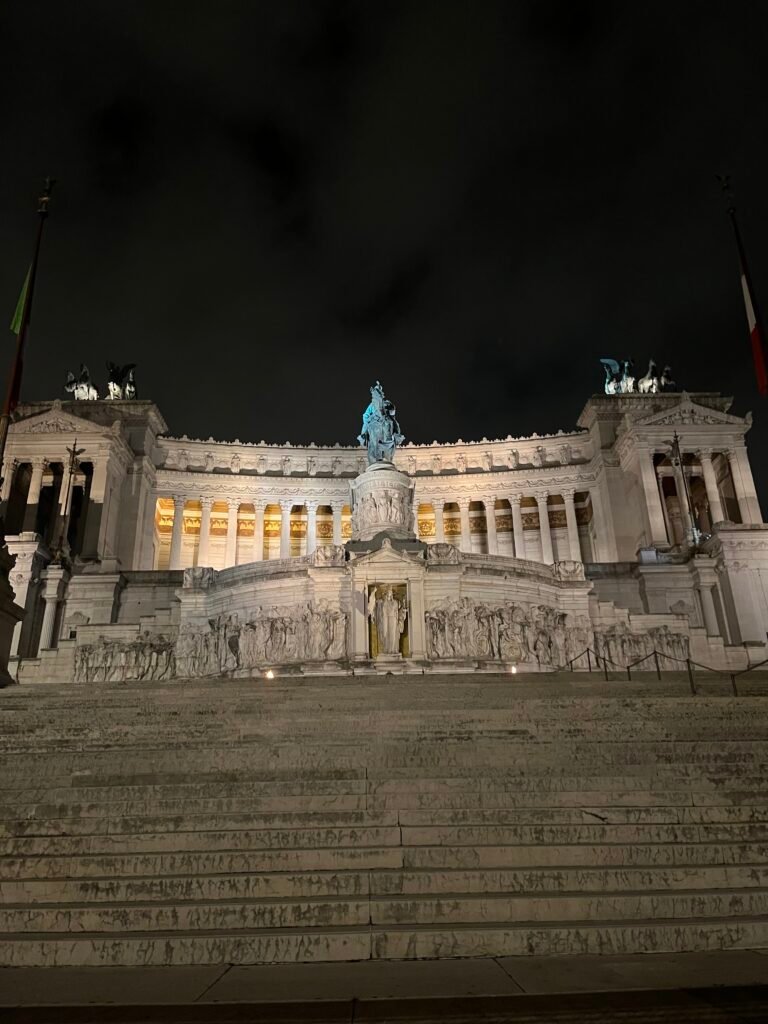
So the further out you stay, the more of each day goes on getting in. From the centre, even the Vatican is only about 30 minutes on foot. And yes, the centre is touristy, but pretty much anywhere a visitor wants to go in Rome is, so you may as well sleep in the middle of it.
There are good areas to stay in Rome beyond the centre, and I cover them below. Before you book one, run the commute through ATAC’s journey planner.
Best Neighbourhoods to Stay in Rome
Centro Storico (Navona and Campo de’ Fiori)
Best for first-timers who want to walk to almost everything.
This is where I stayed, near Piazza Navona, and it’s where I’d send anyone on their first trip. Navona, Campo de’ Fiori and the Pantheon are a few minutes apart. The Trevi Fountain, the Spanish Steps and the bridge into Trastevere are a short walk further. Most of the streets are narrow and closed to traffic, so you can walk everywhere without dodging cars.
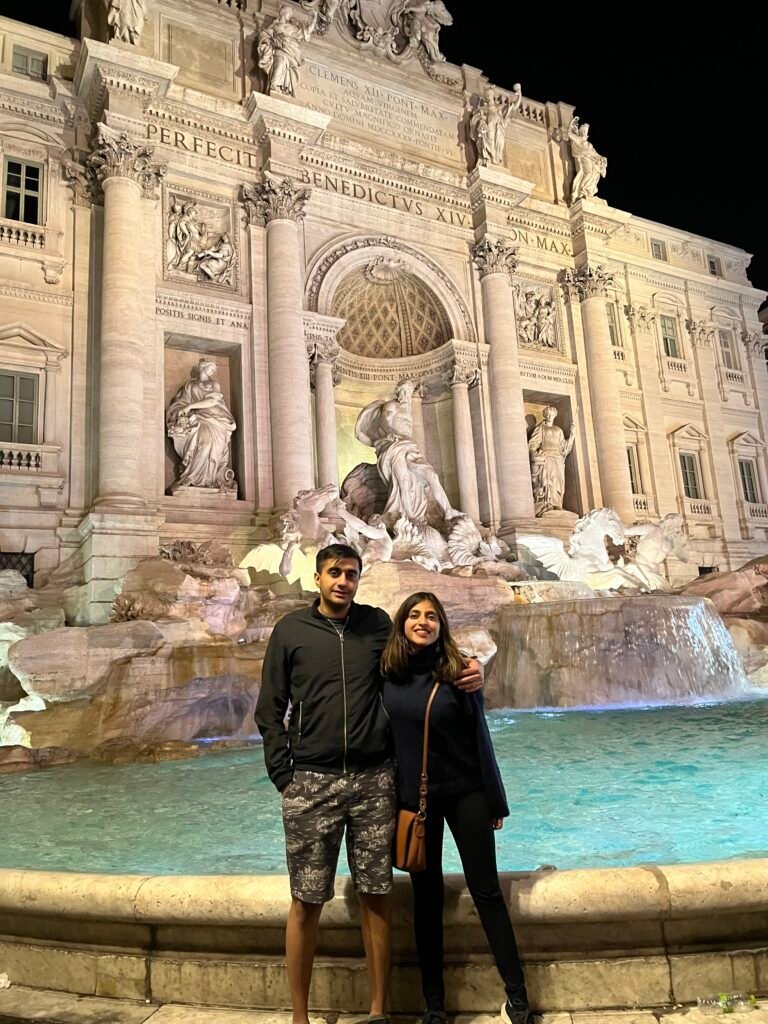
You’ll pay more for a room here than anywhere else in this guide, and the big piazzas are packed most of the day. Campo de’ Fiori is a market in the morning and a bar crowd at night, so light sleepers should pick a street towards Navona or the Pantheon. Monti puts you closer to the Colosseum, but this is closer to everything else, which matters more on a short trip.
If you’re here for a weekend, my 2-day Rome itinerary starts from here and works entirely on foot.
The centro storico has lost a big share of its residents as flats get turned into holiday rentals, which is worth knowing if you’re choosing between an apartment and a hotel.
Where to Stay in Centro Storico
Hotel Damaso | Between Navona and Campo, rated 9.4 from over 1,700 reviews.
Boutique Hotel Campo de’ Fiori | Roof terrace, right off the square. Expect some noise at night.
Palazzo Navona Hotel | Between Navona and the Pantheon, on the quieter side of the centre.
DOM Hotel Roma | The splurge, on Via Giulia near the river.
Monti
Best for travellers whose first days are mostly about ancient Rome.
Monti sits right above the Forum and the Colosseum. In ancient Rome, this was the crowded, working-class district below the palaces, and it still feels lived-in: cafés, wine bars and small shops on sloping streets, with locals mixed in with visitors. You can walk down to the Forum in minutes.
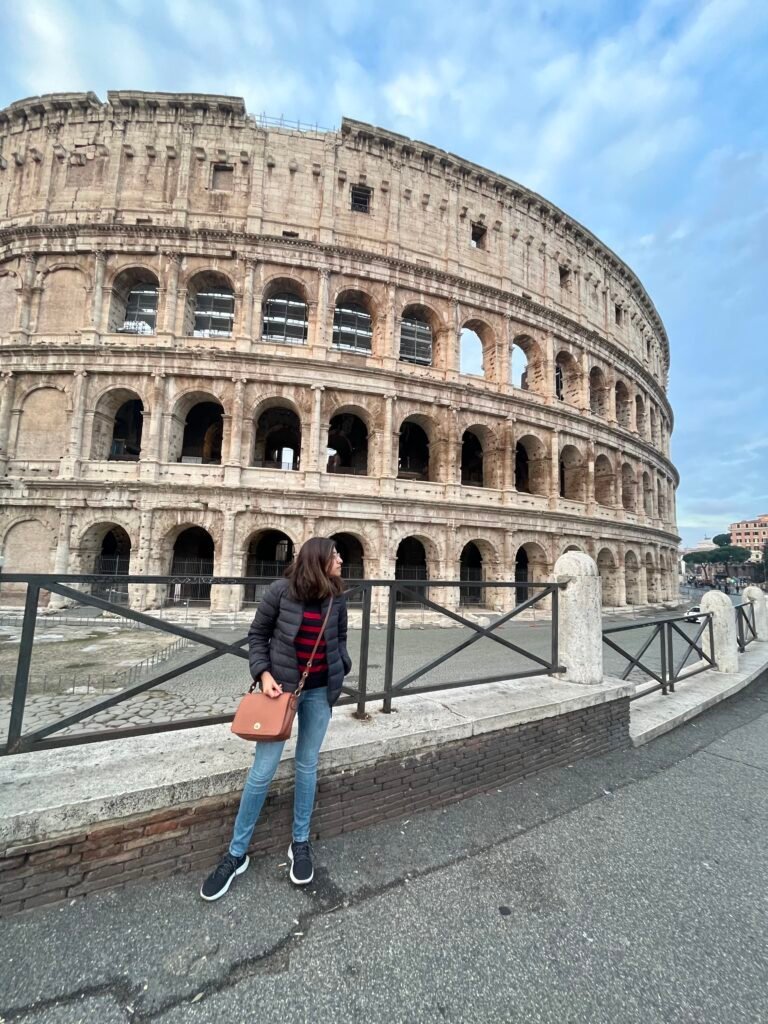
Navona, Campo and Trastevere are a longer walk, and you’ll feel it by day three. Cavour on Line B is in the neighbourhood, and the new Line C station at the Colosseum is at the bottom of the hill. Noise varies a lot from street to street, so check recent reviews for it.
For LGBTQ+ travellers, Rome’s best-known gay bar strip is on Via di San Giovanni in Laterano, just across from the Colosseum and an easy walk from Monti.
🏛️ Staying next to the Forum? Book a guided Colosseum, Roman Forum and Palatine Hill tour. The ruins are hard to read without someone explaining what you’re looking at.
Where to Stay in Monti
Residenza Maritti | The closest you’ll sleep to the Forum. It’s a guesthouse, so no lobby or restaurant.
Condominio Monti Boutique Hotel | On Via dei Serpenti, Monti’s main café street, with a roof garden.
Hotel Viminale | The most polished of the three, at the Termini end. Good if you have a train to catch.
Trastevere
Best for travellers who’d trade shorter walks for better evenings.
Trastevere is across the river from the centre, and it feels like it runs on its own clock: ivy on the walls, washing lines, trattoria tables out in the lanes at night. Almost every major sight means crossing the river, so you’ll walk more than you planned most days, and the Vatican is a proper trek.
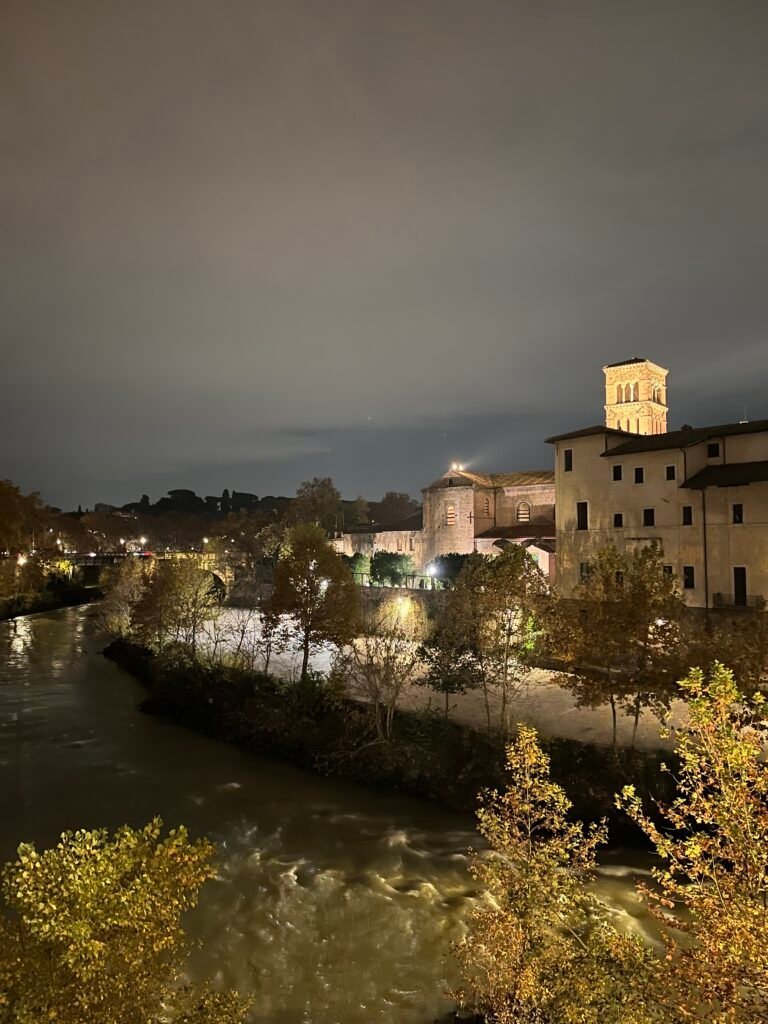
The lanes around Piazza di Santa Maria in Trastevere are the most crowded and the loudest at night. The south-east side, near Viale di Trastevere, is calmer and close to tram 8, which runs back towards the centre. If you’re flying in, the regional train from Fiumicino stops at Roma Trastevere station, at the southern end of the area.
Where to Stay in Trastevere
Trastevere Colors | On the quiet south-east side, at a good price. It’s guesthouse-style, so confirm check-in times if you’re arriving late.
UNA Esperienze Trastevere | A modern 4-star by the tram. The easiest base here for sightseeing.
Donna Camilla Savelli | A historic building with a garden. It’s uphill towards the Gianicolo, so you’ll climb back after dinner.
Prati
Best for Vatican-heavy trips and anyone who prioritises sleep.
Prati is right next to the Vatican and looks nothing like the rest of central Rome. It was built in the late 1800s and early 1900s, after Rome became Italy’s capital, so the streets are wide and laid out on a grid. Prati is residential and quiet at night, which is good for sleeping and a bit dull for wandering.
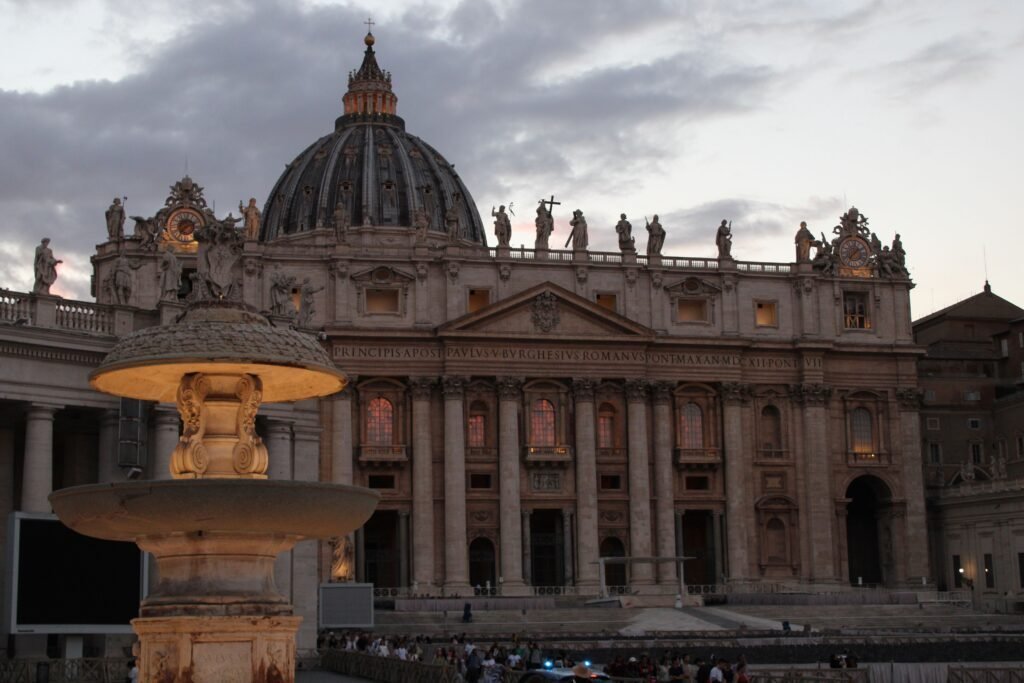
It makes sense if St Peter’s and the Vatican Museums are a big part of your trip, or if you’ve done Rome before and want somewhere calmer. Ottaviano and Lepanto on Line A are the useful stations. Stay on the eastern side, near the river, if you also want to walk to Navona.
🎟️ Here for the Vatican? An early-access Vatican Museums and Sistine Chapel tour gets you in before the main crowds.
Where to Stay in Prati
San Pietro Rooms 84 | A guesthouse near Ottaviano, rated 9.5. Close enough to the museums that early entry doesn’t mean a 6AM alarm.
Eccelso Hotel | A straightforward hotel near Ottaviano, with a proper front desk.
My Suite Rome | On the east side, walkable to both the Vatican and Navona.
Hotel Della Conciliazione | A few minutes from St Peter’s Square, technically in Borgo, just south of Prati.
Termini and Esquilino
Best for tight budgets, late arrivals and early trains.
Termini is Rome’s main station. The Leonardo Express runs non-stop from Fiumicino airport in about half an hour (the airport’s site lists every transfer option), both metro lines meet here, and day trips and onward trains leave from the same building. If Rome is one stop in a bigger trip, like the routes in my guide to planning 2 weeks in Europe, you’ll use that station more than once. Rooms are also cheaper than in the centre for the same standard.
The streets right around the station have the worst reputation in Rome for pickpocketing, and they can feel sketchy late at night. That’s mostly on the station’s doorstep, and a few streets back it’s a different place, so check the exact address before you book.
South of the station is Esquilino, Rome’s most multicultural neighbourhood, with large Bangladeshi and Chinese communities. Its big porticoed square, Piazza Vittorio, was built after Rome became the capital. The covered Nuovo Mercato Esquilino nearby (Monday to Saturday, 7:30AM to 2PM) sells the spices, herbs and South Asian groceries you won’t find elsewhere in Rome.
Where to Stay in Termini
Hotel Diocleziano | On the quieter north side, behind the Baths of Diocletian.
Sophie Terrace Hotel | Rated 9.4, and the closest of the three to the station.
Alida Rooms | The budget pick, on the Monti side. It’s a guesthouse with few facilities.
If You’ve Been to Rome Before
On a second trip you won’t be walking to the Pantheon every morning, so you can stay further out and pay less for it.
Testaccio
Testaccio is south of the centre, below the Aventine Hill, and it’s where Rome eats. The neighbourhood grew up around the city’s old slaughterhouse, which is why so much classic Roman cooking (oxtail, tripe, offal) traces back here. Its namesake hill, Monte Testaccio, is made almost entirely of broken ancient pottery. The covered Testaccio Market is the main draw, and it’s mostly locals doing their shopping. It’s closed on Sundays.
Piramide on Line B is at the edge of the neighbourhood. Testaccio is mostly residential and has few hotels, so you’ll mostly be looking at guesthouses and B&Bs.
San Giovanni
San Giovanni is south-east of Monti, around the Basilica of San Giovanni in Laterano. It’s residential and much less touristy, and the Colosseum is within walking distance. San Giovanni station is where Line A meets Line C, so the Vatican side of the city is a straight ride on Line A, and the Colosseum is two stops on Line C.
What to Consider When Picking a Hotel in Rome
If you’re going in July or August, staying central matters even more. Average highs in Rome sit around 30°C and regularly go higher, and a hotel 10 minutes from the Pantheon means you can go back, shower and lie under the air con for an hour in the afternoon. In older guesthouses especially, check the listing actually says air conditioning.
A cheaper hotel further out can end up costing more once you add a taxi back to it every evening. When you do need one, use the official white taxis and book through Freenow (now part of Lyft), and ignore anyone who offers you a ride outside the station.
Rome charges a city tax per person, per night, on top of the room rate. It runs from €3.50 at hostels to €10 at 5-star hotels, it only applies for the first 10 nights, and kids under 10 don’t pay. It isn’t always included in the first price you see, so check the final total before comparing hotels.
Don’t rent a car for Rome. Most of the historic centre is a restricted traffic zone (ZTL), so you can ignore hotel parking entirely.
Big events can fill central hotels fast, so before you lock in dates, check Turismo Roma, the city’s official tourism site, for what’s on while you’re there.
So, Where Should You Stay in Rome?
If it’s your first time, stay between Piazza Navona and Campo de’ Fiori. You’ll pay more, but you’ll be on foot for nearly the whole trip, and on a short visit that’s worth the extra money. If I were booking today, I’d start with Hotel Damaso.
If centre prices don’t work for you, or ancient Rome is your priority, Monti is my second choice. You can still walk to most of the big sights, and the Forum is at the bottom of the hill.
Pick somewhere else only for a specific reason: Trastevere if your evenings matter most, Prati if the Vatican is the main event, and Termini if price or train times decide it.
Once your hotel is sorted, use my 2-day Rome itinerary to plan the days themselves.
FAQs About Where to Stay in Rome
Is Trastevere a good place to stay in Rome?
Yes, if your evenings matter more to you than your sightseeing schedule. On a 2- or 3-day first trip, I’d still pick the centre and walk over to Trastevere for dinner.
Is it safe to stay near Termini?
Mostly, yes, but the exact street makes all the difference. Choose somewhere a few blocks back from the station, keep your phone and bag close around the station itself, and take a taxi if you’re arriving late at night.
Should I book a hotel or an apartment in central Rome?
For a short trip, book a hotel. You get a front desk, flexible check-in and someone to store your bags on the last day. Apartments make more sense for families or stays of a week or more. If you do book one, make sure the listing shows its CIN, the national ID code legal holiday rentals in Italy need. Of all the places to stay in Rome, unlicensed flats are the ones squeezing residents out of the centre.
Should I split my stay between two areas?
Only if you’re staying 5 nights or more. Moving hotels costs you half a day. If you do split, start in the centre for the big sights, then move to Trastevere or Monti for the slower days.
Where should I stay to be close to the Colosseum?
Monti. It’s a short walk downhill to the Colosseum and the Forum, and it has far more going on in the evenings than the streets right next to the Colosseum.
