
If you’re torn between Madeira and the Azores, you’re not alone – both are Portuguese island groups, both offer stunning views and wild landscapes, and both can completely transform your trip. But they’re wildly different in vibe, accessibility, and how they fit different travel styles.
Maybe you’re planning a nature-forward Europe trip and wondering which island gives you the most adventure for your budget. Maybe you’re a solo traveler without a car trying to figure out if buses or taxis will actually get you to the good hikes. Or maybe you’re chasing somewhere quiet, beautiful, and not already overrun by tourists – a place where you can still feel something real. When I was planning my trip, I had a fantasy of doing everything by bus, being super independent, and taking things slow. Spoiler: I caved and rented a car in Madeira.
In this comparison, I’m breaking down accessibility, what each destination realistically costs, and where you’ll feel more at home depending on whether you want rugged nature or a smoother mix of city life and hiking.
About the Islands
Madeira and the Azores are both autonomous regions of Portugal, set far out in the Atlantic Ocean, but they’re not exactly neighbors. Madeira lies closer to the coast of Morocco, while the Azores are scattered roughly midway between Portugal and North America. Each archipelago is volcanic in origin, but their landscapes, climate, and tourism infrastructure are surprisingly distinct.
Madeira is made up of four islands, though most travelers only visit the main one. Known as the “Island of Eternal Spring,” it’s famous for its lush levada trails, dramatic cliffs, and a capital city – Funchal – ‘that blends old-world charm with modern amenities. It’s become increasingly popular with digital nomads in recent years.The Azores, on the other hand, is a group of nine islands divided into three clusters. São Miguel is the largest and most visited, home to crater lakes, geothermal springs, and the archipelago’s main city, Ponta Delgada. The other islands – from the remote, green hills of Flores to the volcanic peak of Pico – offer a more off-the-grid feel.
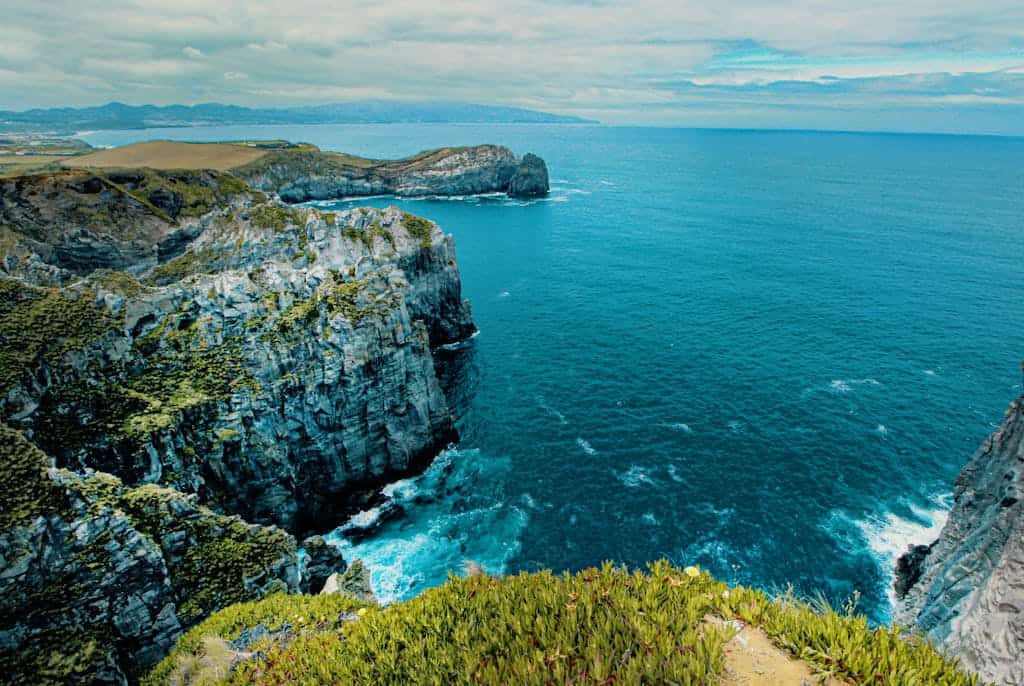
Quick Snapshot Comparison
| Feature | Madeira | Azores |
|---|---|---|
| Vibe | More developed, popular, varied activities | Rugged, nature‑focused & tranquil |
| Best for | Hikers + digital nomads + city & nature mix | Nature lovers + rugged landscapes + budget |
| Beaches | Lidos & rocky beaches | Natural volcanic beaches |
| Accessibility | Decent buses, great for tours or car rental | Bus in São Miguel, taxis and inter‑island flights |
| Cost | Mid-range | Often cheaper |
| English‑friendly | Yes — especially around Funchal | Yes — more limited in remote areas |
Getting There & Getting Around
Getting to both Madeira and the Azores is surprisingly straightforward, it’s once you arrive that things get a little trickier.
Getting around Madeira
Madeira is well-connected to Europe, with frequent flights into Funchal Airport (FNC) from Lisbon, Porto, and major cities like London, Paris, and Frankfurt. While it’s a bit farther out in the Atlantic, its tourism infrastructure is strong – and that includes good airport access. From the airport, you’re less than 30 minutes by bus or taxi to the capital, Funchal.
But to see the best parts of the island, you need a car. Sure, there are local buses, especially around Funchal and to a few key hiking trails or towns, but if you want to explore the more remote levadas, hidden villages, or head north? Public transport quickly becomes a limiting factor. I started my trip thinking I’d rely on buses – and caved after one day. Renting a car made a huge difference, especially once I left the city.
That said, if you’re staying in Funchal and plan to book day tours, you can still get by without a car. Many guided hikes and sightseeing tours include hotel pickup, and tour platforms like GetYourGuide or Viator offer a range of flexible options.
Getting around Azores
The Azores are more scattered – a nine-island archipelago in the middle of the Atlantic – but they’re becoming easier to reach. São Miguel, the largest island, is your most likely entry point. It’s served by flights from mainland Portugal and even direct routes from cities like Toronto, Boston, and Frankfurt.
Skyscanner is a great place to check and compare flight prices.
Getting around São Miguel without a car is possible but requires planning. There’s a decent local bus network that connects major towns and a few tourist spots. Taxis are more affordable here than on Madeira, especially if you book in advance or split rides for hikes. If you’re sticking to São Miguel, this combo can work, I met travelers who hiked to Sete Cidades or used taxis to reach places like Lagoa do Fogo without issues.Outside São Miguel, though, things get complicated. Island-hopping between the Azores’ other gems 0 like Pico, Faial, or Flores – requires flights or ferries, and public transport on those islands is sparse. If you want to really explore beyond a single island, renting a car or even an electric bike becomes almost essential.
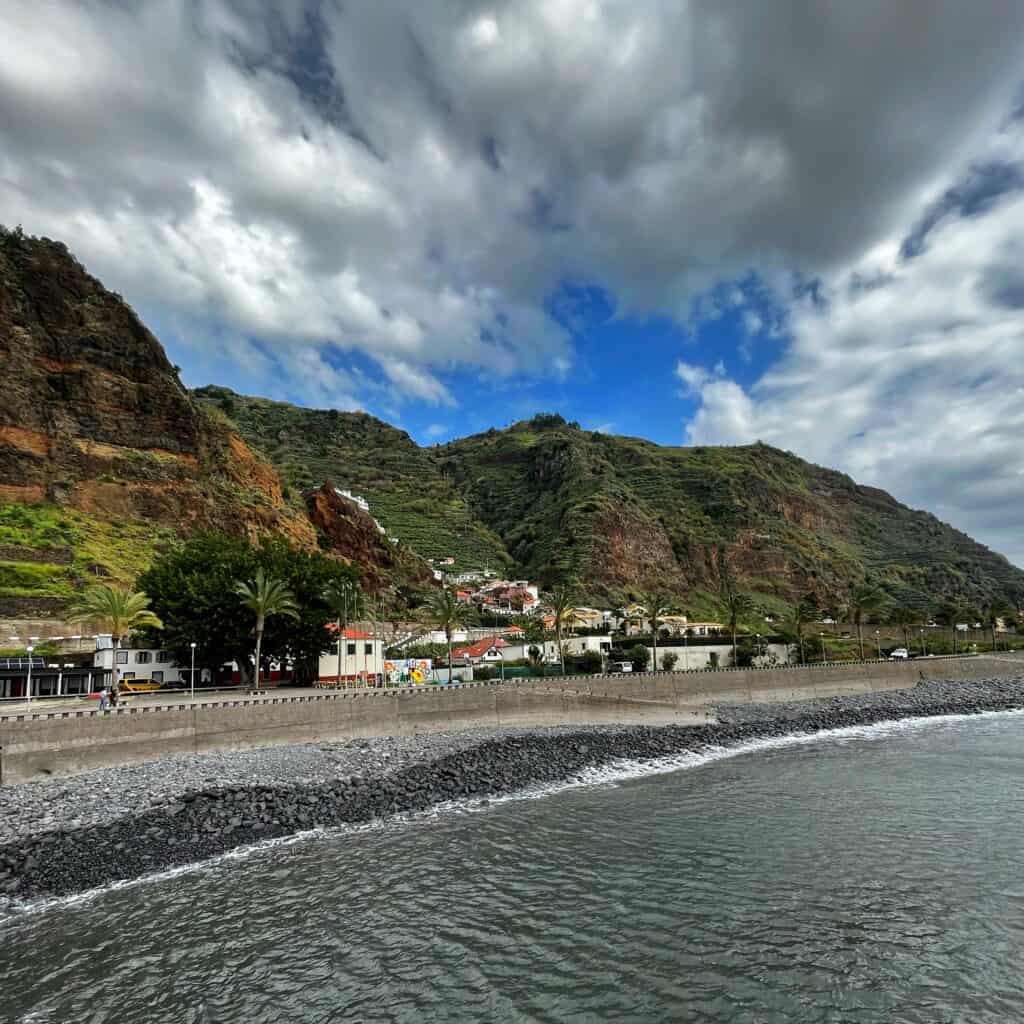
Cost & Value
Neither Madeira nor the Azores will break the bank compared to other Western European destinations but how far your money stretches depends on where you go and how you travel.
Madeira
Madeira has a wide range of accommodation – from family-run guesthouses to boutique hotels and high-end resorts. You can find decent stays in Funchal for under €60 a night, especially if you book in advance or travel off-season. Eating out is affordable, with tasty local meals (grilled fish, espetada beef skewers) at snack bars or tavernas rarely costing more than €10–15.However, Madeira is getting more expensive. Since becoming a hotspot for remote workers and digital nomads, prices in some parts of the island — especially in and around Funchal — have crept up. Tours, taxis, and car rentals are also on the pricier side. Still, you can do a lot for free: many hikes, natural pools, and miradouros (viewpoints) don’t cost a thing.
Azores
The Azores tend to be a bit cheaper overall, especially if you stay outside of the major hubs. Accommodation on São Miguel — whether it’s a private room, Airbnb, or local guesthouse — often costs less than the same setup in Madeira. I paid less for a whole apartment in Ponta Delgada than I did for a shared guesthouse in Madeira.
Meals are similarly budget-friendly, and fresh seafood is abundant. Transport, though, is a wildcard. Taxis are generally more affordable than in Madeira, but island-hopping adds extra costs — regional flights or ferries between islands can add up quickly. Some travelers get around this by spending more time on fewer islands, or even using long-distance taxis as full-day private tours (a great-value workaround I learned from another traveler).Tldr: Madeira offers more variety and comfort, but you’ll pay a bit more for that convenience. The Azores are generally cheaper and offer incredible value – especially for travelers who don’t mind a bit of planning or are happy to stay in one place and explore deeply.
Weather
Madeira and the Azores may both be in the Atlantic, but their climates behave very differently and that can be a make-or-break factor depending on how you travel.
Madeira has a subtropical climate with consistently mild weather. You’ll find sunshine most of the year, especially on the southern coast near Funchal. Winter is wetter in the north but still warm enough for hikes and exploring. The reliable weather makes it a solid choice if you’re building a flexible itinerary or want to avoid surprises.
The Azores are more unpredictable. It’s common to experience sun, rain, wind, and fog – all in one day. That’s not a joke; locals will tell you to “dress for four seasons.” The upside is that moody climate creates lush, green landscapes. The downside is less control over your plans. If you’re banking on clear skies for crater lake views or long hikes, be ready to adjust.
If weather reliability is important – or you’re short on time – Madeira is the safer bet. If you’re more go-with-the-flow and prepared for occasional weather curveballs, the Azores reward you with atmosphere and greenery.
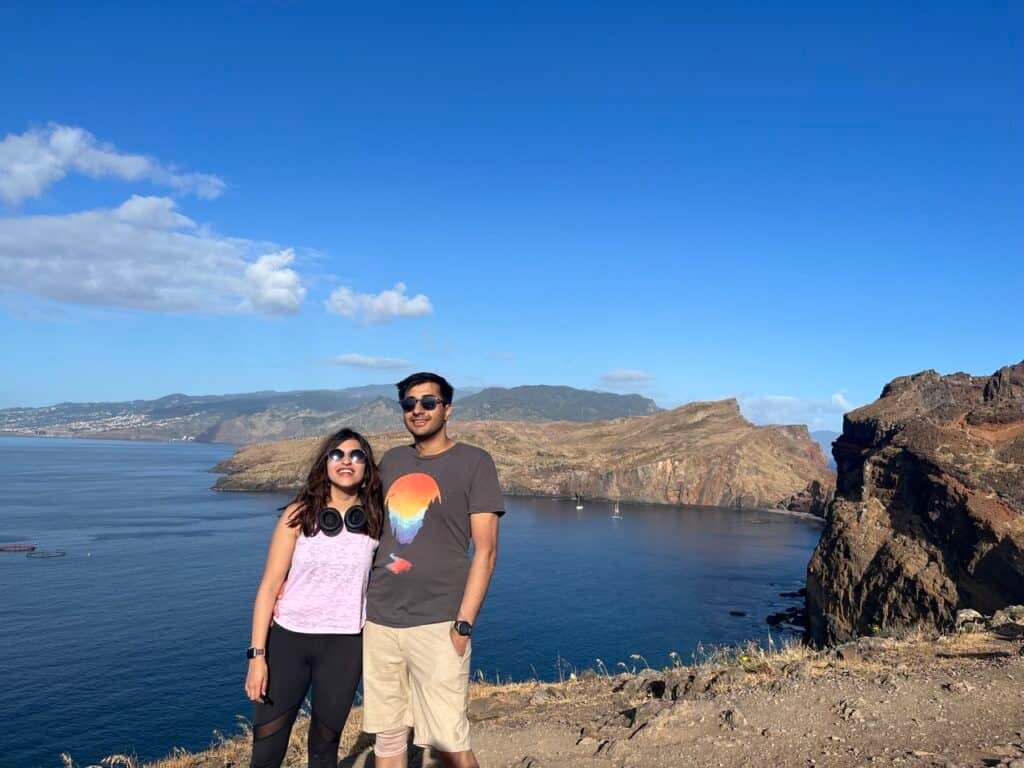
Landscapes & Nature Experiences
Nature is the main event on both islands – but the way you experience it couldn’t be more different. Whether you want remote wilderness or easier-to-reach hikes, this section will help you pick your match.
Madeira: Mountain Trails, Forest Walks & Ocean Snorkeling
Madeira feels like a curated outdoor playground, especially for hikers. Its volcanic terrain creates sharp peaks, lush valleys, and cliffside paths that look unreal in photos but are surprisingly accessible in person.
- Levada walks (irrigation channels turned trails) are the island’s signature. These range from peaceful strolls through farmland to narrow paths with huge drop-offs.
- Pico do Arieiro to Pico Ruivo is one of Europe’s most stunning ridge hikes, but you’ll want decent fitness and weather for it.
- Laurisilva Forest, a UNESCO World Heritage site, is a mossy, green dream and ideal for low-elevation nature walks.
- Garajau Underwater Park near Funchal offers snorkeling in crystal-clear Atlantic waters.
- Porto Moniz Natural Swimming Pools are volcanic rock pools filled with fresh Atlantic water on Madeira’s rugged north coast.
Azores: Crater Lakes, Volcano Hikes & Island Wilderness
The Azores are for travelers who want their nature raw. This volcanic archipelago offers everything from steaming thermal pools to crater lakes and cliffside pastures — and each island has a distinct vibe.
- São Miguel’s Sete Cidades and Lagoa do Fogo serve up some of the most iconic views in the Azores, accessible by hike or scenic viewpoint.
- Flores and São Jorge are your go-tos for waterfalls, remote hiking trails, and that “am I the only one here?” feeling.
- Pico Island’s volcano hike is a full-day adventure to Portugal’s highest point — one for the serious trekkers.
The tradeoff is fewer marked trails, limited transport, and changeable weather, but if you’re okay rolling with it, the Azores offer some of the most untouched scenery in Europe.
Helpful resources for planning:
– Visit Madeira official tourism site
– Visit Azores official tourism site
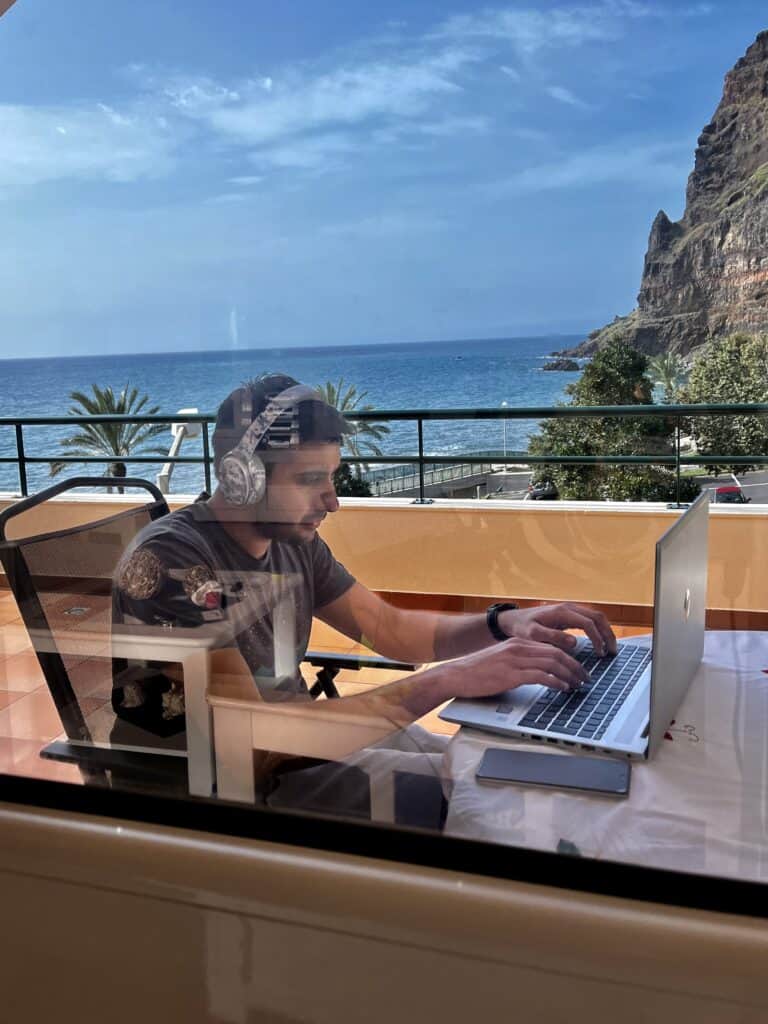
Beaches & Water Activities
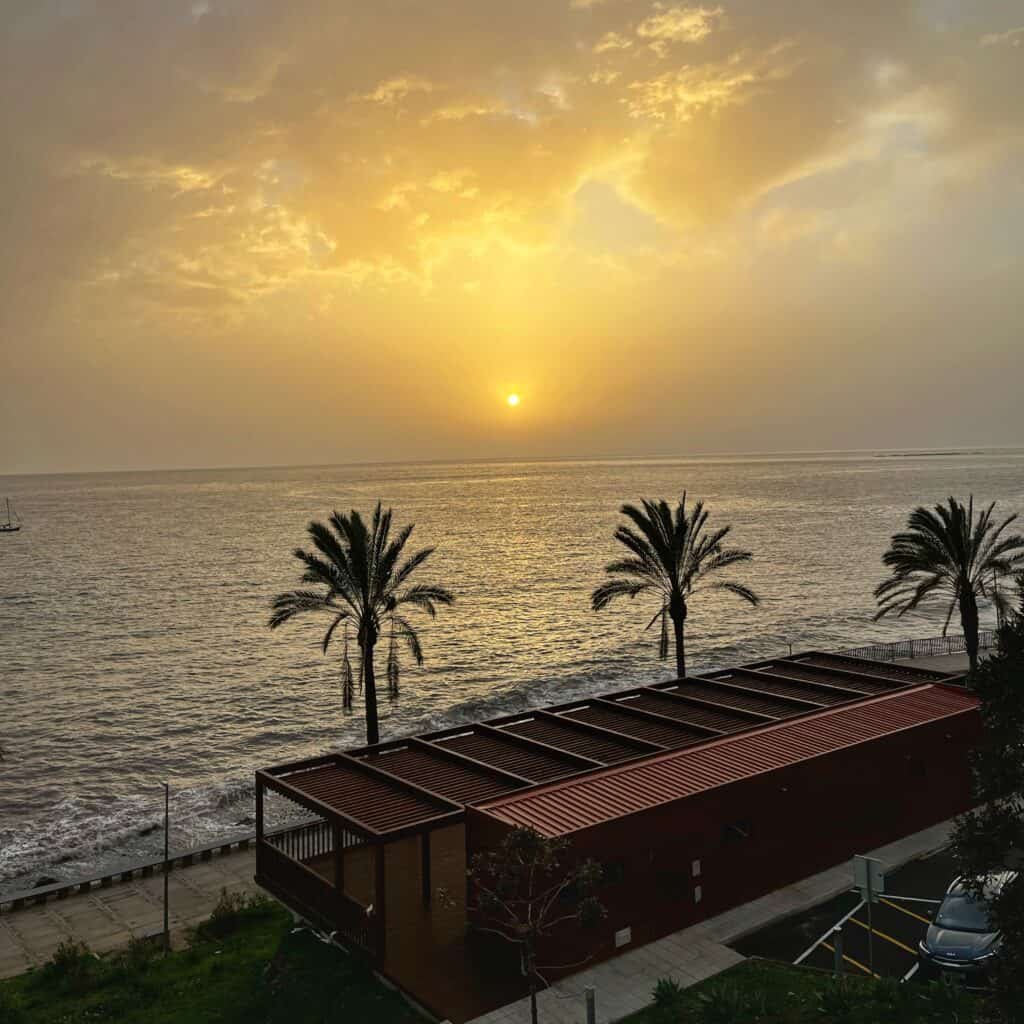
If you’re expecting long stretches of golden sand and resort-lined shores, you won’t find that here — but that’s not really the point of either island. Instead, both Madeira and the Azores offer more unconventional, sometimes surprising ways to enjoy the water. From natural lava-rock pools to thermal oceanside springs, these are places where swimming feels like part of the adventure.
Madeira: Rocky Beaches, Ocean Pools & Coastal Access
Madeira doesn’t have sandy beaches in the typical sense, but it makes up for it with warm Atlantic waters and creative ways to enjoy them.
- Lidos and Ocean Pools: Madeira’s coastline is dotted with sea-access lidos and natural pools. The ones in Porto Moniz are especially popular — volcanic formations filled with sea water, perfect for swimming with a view.
- Praia Formosa, near Funchal, is the largest public beach — mostly pebble with some dark sand sections.
- Porto Santo, Madeira’s sister island (2.5 hours by ferry), offers an actual sandy beach with golden sand and calm waters — ideal if beach time is a priority.
- Snorkeling and diving are popular, especially in the Garajau Marine Reserve, where visibility is excellent and marine life is protected.
Azores: Black Sand Beaches, Thermal Pools & Wild Swimming
The Azores offer fewer developed beach facilities, but more variety in terms of natural water experiences, especially if you’re willing to explore.
- Mosteiros and Praia de Santa Bárbara on São Miguel are black sand beaches with strong waves and dramatic settings.
- Lagoa do Fogo: A crater lake you can swim in after a hike — icy but unforgettable.
- Ponta da Ferraria: A thermal ocean pool where hot spring water meets the sea, best enjoyed at low tide.
Facilities are limited compared to Madeira, and currents can be strong — but if you’re looking for water experiences that feel completely unique, the Azores deliver.
Towns, Culture & Food
Even if you’re mostly going for nature, the towns you base yourself in shape your trip more than you might think – especially when you’re traveling solo, without a car, or trying to keep things flexible.
Madeira: Buzzier Base, More Built Up, Still Plenty Local
Funchal is the island’s beating heart. It’s big enough to have coworking cafes, restaurants with every price point, and a decent nightlife scene – but still walkable and compact. If you’re arriving after some time in more intense cities (like Rome or Budapest), it’s a nice reset.
- The Mercado dos Lavradores in Funchal is worth a visit – not just for fresh fruit and fish, but to get a feel for the rhythm of daily life.
- Local food is a big highlight: think espetada (beef skewers grilled over wood), black scabbardfish with banana (trust the process), bolo do caco (garlic bread you’ll think about later).
- If you’re working remotely, Madeira has become a bit of a digital nomad hub since COVID – you’ll find coworking spaces and a decent community vibe, especially in Funchal and Ponta do Sol.
That said, Funchal does get crowded, especially in peak months, and while it’s lively, it’s also more polished – more “city with hiking access” than rugged basecamp.
Azores: Slower, Simpler, Deeply Local
Ponta Delgada (São Miguel) is the main urban center in the Azores, but “urban” is relative. It feels more like a big town – charming, calm, and a little sleepy at times.
- The food scene is low-key but excellent – grilled limpets, stewed octopus, and the famously volcanic cozido das Furnas (a stew slow-cooked underground in geothermal heat).
- Culture here feels quieter. You won’t find a nightlife scene or digital nomad buzz. What you do get is local bakeries, tiny museums, and people who actually live here year-round.
- Every island has its own flavor – from the colorful marina at Horta (Faial) to the traditional cheese and crafts of São Jorge – and part of the cultural charm is moving slowly through them.
It’s worth noting that accommodation in the Azores tends to be more rural. This can be a huge perk if you’re craving peace and quiet – just don’t expect walkable nightlife or corner cafes in every town.
Who Each Destination Is Best For
Neither Madeira nor the Azores is universally better – but depending on your travel style, one will likely suit you more than the other. This table breaks down what each island delivers (or doesn’t) based on your preferences and priorities:
| Traveler Type | Madeira | Azores |
|---|---|---|
| Digital nomads / remote workers | ✔️ Good base in Funchal, coworking options, social life | ❌ Limited infrastructure, more remote feel |
| Hikers & nature lovers | ✔️ Scenic levadas, lush forests, organized tours | ✔️ Crater lakes, volcanoes, rugged landscapes |
| Solo travelers without a car | ❌ Public transport is limited beyond Funchal | ❌ Also tricky — but doable with planning, especially in São Miguel |
| Budget travelers | ❌ Moderate costs, esp. near Funchal | ✔️ Often cheaper, especially outside peak season |
| Beach lovers | ✔️ Ocean pools, lidos, access to Porto Santo’s sandy beach | ✔️ Natural black sand beaches, hot springs, more “wild” swim spots |
| Adventure / off-the-beaten-path seekers | ❌ More developed, touristy in places | ✔️ Feels remote and untouched, especially on lesser-known islands |
| Comfort + nature combo | ✔️ Strong infrastructure and variety of experiences | ❌ Fewer comforts, more slow-travel focused |
Still torn? Think about what kind of trip you want
Madeira is your move if you want a bit of everything – mountain hikes, coastal towns, reliable infrastructure, and the ability to split your time between scenic walks and seafood dinners. It’s more developed, more social, and more predictable.
The Azores, on the other hand, leans slower, quieter, and deeper into nature. It’s ideal if you’re craving something rugged and remote, with fewer tourists and more time to just be in the landscape.
Either way, both deliver wildly beautiful landscapes – just in very different ways.If you’re leaning toward Madeira and want a clear game plan for exploring its best hikes, villages, and viewpoints, my detailed itinerary breaks it down day-by-day. You’ll find all the practical info, local tips, and underrated spots I discovered along the way.
