
Planning a Pakistan itinerary can be surprisingly difficult. There isn’t much reliable information online, and a lot of what exists comes from travelers who only spent a short time in the country. That makes it hard to figure out how to structure a trip, especially if you only have a couple of weeks.
I was born and raised in Pakistan and have spent years traveling across the country. When friends visit for the first time, they usually ask the same thing: if you only have two weeks, where should you go?
This itinerary is the route I recommend most often. It starts in Lahore, moves through Islamabad, and then heads north into the mountains of Hunza and Skardu. If you’re looking for dramatic landscapes, a bit of culture, and a trip that feels like an adventure, this is a good place to start.
Quick Overview of This Pakistan Itinerary
This Pakistan itinerary follows the route shown on the map below, moving from Lahore in the plains to the mountains of Gilgit-Baltistan. It’s designed for about two weeks, but it’s easy to shorten or extend depending on how much time you have.
The route assumes you arrive in Lahore and travel north through Islamabad before continuing into Hunza and Skardu. However, many international flights arrive in Islamabad, so you can easily start there instead.
Travel in northern Pakistan can be unpredictable, especially when it comes to flights and weather in the mountains. Because of that, the order of Hunza and Skardu can change depending on conditions and availability.
| Destination | Days | Why It’s Included |
|---|---|---|
| Lahore | 3 | Pakistan’s cultural capital, known for Mughal architecture, bazaars, and incredible food |
| Islamabad | 3 | A calmer stop with easy access to the Margalla Hills and flights to northern Pakistan |
| Hunza Valley | 5 | One of the most scenic regions in the Karakoram, with forts, glaciers, and mountain views |
| Skardu | 4 | A rugged mountain base for alpine lakes, deserts, and some of the world’s highest peaks |
Best Time to Follow This Pakistan Itinerary
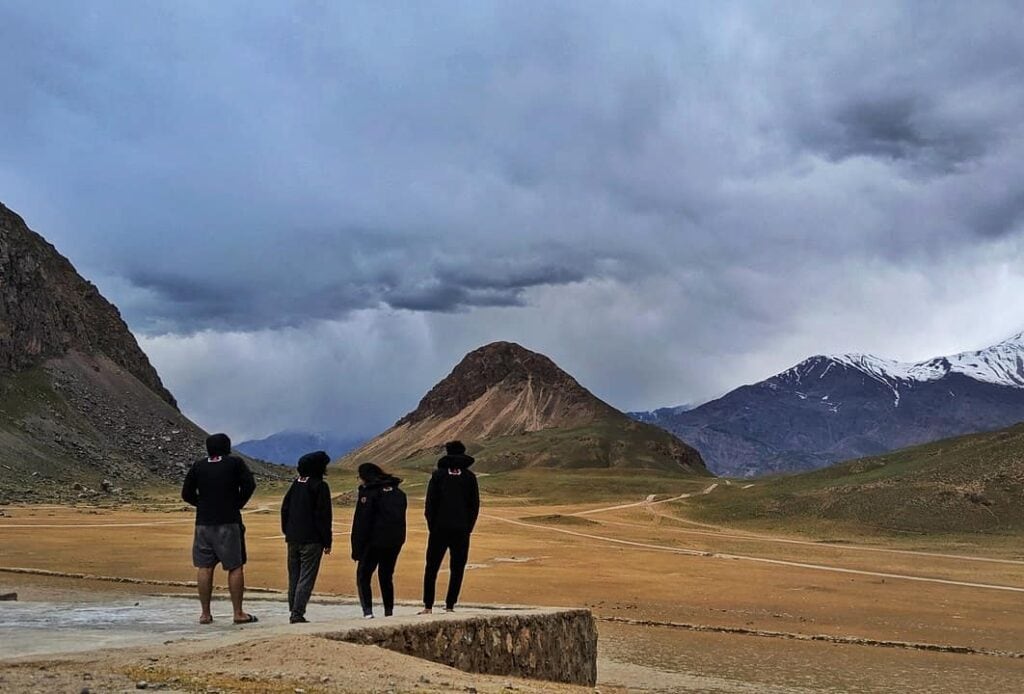
You can technically visit Pakistan year-round, but for this itinerary – focused on the mountains of northern Pakistan – the best window is May through October. During these months, roads are open, trekking trails are accessible, and the weather in Gilgit-Baltistan is generally stable.
July is peak summer and great for high-altitude trekking, while September and early October are particularly beautiful, when the valleys turn shades of gold. August can be tricky, though. It’s monsoon season, and heavy rains can cause flooding or landslides that disrupt travel, especially on mountain roads.
Winter brings heavy snow to the north, making many routes inaccessible, so it’s not ideal for a first visit centered on the mountains.
If your trip overlaps with Ramadan, expect reduced daytime activity and altered schedules, though evenings in larger cities become lively with food markets and gatherings.
How Many Days Do You Need in Pakistan?
Pakistan is a large country, and getting around can take longer than expected. Mountain roads are slow, domestic flights are often delayed by weather, and infrastructure isn’t always predictable.
For this reason, two weeks is the minimum amount of time I recommend for a first trip. It gives you enough time to experience both the cities and the mountains without rushing.
It also leaves room for buffer days. Flights to places like Gilgit or Skardu are frequently delayed or canceled, and long mountain drives can take an entire day. A slower schedule makes the trip far more enjoyable.
My Recommended 2-Week Pakistan Itinerary
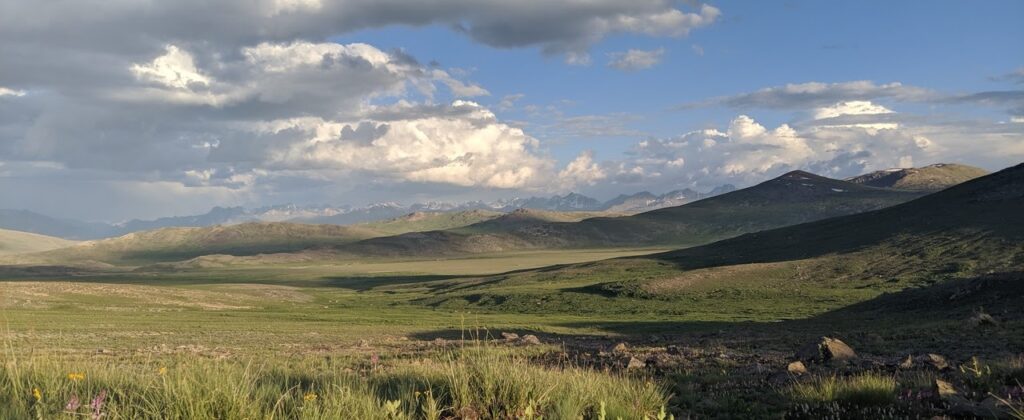
This route is built for first-time visitors who want a bit of city energy before disappearing into the mountains. It covers two of Pakistan’s most important cities, then prioritizes northern Pakistan, where the landscapes get ridiculous in the best way.
Lahore (Days 3-4)
Lahore is my hometown, so you’re officially on my turf. Born and raised here, I’ve spent years navigating its chaos, eating my way across the city, and watching it change. Lahore is loud, nosy, and allergic to personal space, but it’s also the cultural heartbeat of Pakistan. You’ll hear rickshaws before you see them, smell naan before you find the tandoor, and realize pretty quickly that chai is treated like a personality trait.
Most travelers feel overwhelmed at first. Give it a day. Once you settle into Lahore’s rhythm, it starts making sense.
I would recommend keeping at least three days here to experience it all, even if you are itching to go to the mountains.
Lahore Highlights
After a lifetime of living in Lahore, here’s a very short list of must-see spots and experiences:
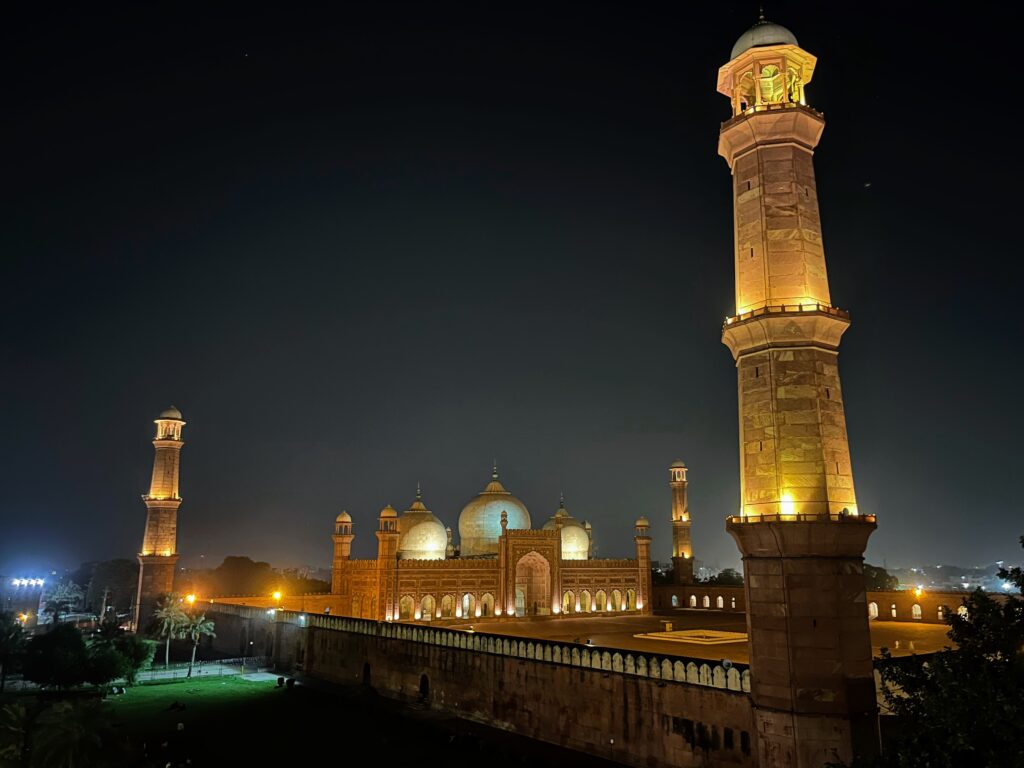
Badshahi Mosque and Lahore Fort | Yes, they’re iconic, and for good reason. The grandiosity of Badshahi Mosque still leaves me speechless, even after countless visits. But don’t just visit for the Instagram shots. Stay long enough to see how locals actually use the space, families picnicking in the courtyard, kids running around, people slipping in and out for prayer.
Shahi Hammam | Tucked in the Walled City, this meticulously restored Mughal-era bathhouse is a window into the city’s ancient wellness rituals.
Walled City (Androon Sheher) | Beyond the tourist highlights like the Delhi Gate or Shahi Hammam, dive into the backstreets. The best way to experience the old city is by wandering aimlessly. Look out for traditional craftsmen, kebab stalls, and narrow alleys that seem to lead to nowhere but surprise you with a hidden courtyard.
Food Street (Fort Road) | I’ll admit, it’s a bit touristy these days, but nothing beats a late-night meal with the Badshahi Mosque glowing in the background.
Anarkali Bazaar | A labyrinth of stalls selling everything from bridal jewelry to handmade khussas (traditional shoes). Even if you’re not shopping, it’s worth a wander to soak in the chaos.
Heera Mandi | Once the hub of Lahore’s courtesan culture, it’s now a mix of fading glamour and gritty reality. It’s best visited with a guide or local who knows its history.
Gulberg and MM Alam Road | For modern Lahore, head to these areas. You’ll find trendy cafes, markets, and a mix of global and local flavors.
This list barely scratches the surface of what makes Lahore so special. Take your time here, walk slowly, and let the city show you why we Lahoris proudly say, “Lahore Lahore aye” (Lahore is Lahore).
Where To Stay In Lahore
Since Lahore is sprawling, picking the right location is key. For easy access to major attractions, here are some great options:
Luxury | Avari Hotel or The Peral Continental Lahore are two of Lahore’s most iconic hotels, with lush gardens and impeccable service.
Mid-range and Budget | Luxus Grand Hotel. A modern choice with great amenities and a central location.
I personally would not recommend trying to skimp on accommodation in Pakistan. Despite what you see online, harassment is common, especially for women – so please be careful about where you stay! I have used airbnb previously in Pakistan, but again I think it’s just better to opt for a reputable hotel.
📍 If you’ve got an extra day or two in the schedule, the route opens up fast with easy day trips from Lahore some of which are on the way to our next stop: Islamabad
Islamabad (2-3 days)
From Lahore, head to Pakistan’s capital, Islamabad – a city that feels like the opposite of Lahore. Where Lahore is vibrant and chaotic, Islamabad is meticulously planned and calm, nestled against the stunning Margalla Hills. Some might call it sterile compared to Lahore’s raw energy, but for me, that’s its charm. Islamabad offers a peaceful contrast, with clean streets, green spaces, and a relaxed pace of life.
Lahore To Islamabad
The easiest way to get to Islamabad from Lahore is by road. Reliable and comfortable, Daewoo buses are a popular choice for the 5-hour, 300-kilometer journey. If you have your own car, you can make the drive more interesting by stopping at places like the Khewra Salt Mines along the way.
Islamabad Highlights
Islamabad might lack Lahore’s hustle, but it’s packed with things to do. Here are some must-visit spots:
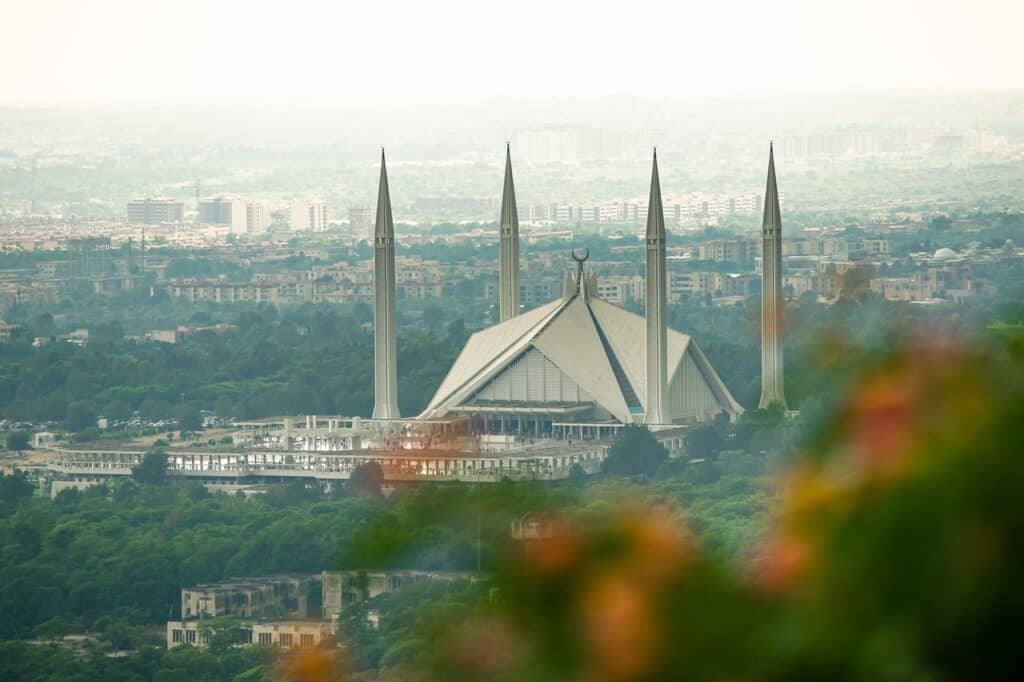
Faisal Mosque | Islamabad’s crown jewel and one of the largest mosques in the world. Its modern design framed by the Margalla Hills is breathtaking. For the best experience, visit at sunset to watch the changing light play off the architecture.
Lok Virsa Museum | A deep dive into Pakistan’s cultural heritage, featuring exhibits of traditional crafts, music, and art. It’s a must-visit for culture enthusiasts.
Saidpur Village | This historic village, now turned into a cultural and dining hub, is nestled in the hills. Enjoy a meal here while taking in its charming blend of old and new.
Trail 5 | If you’re up for some light hiking, this trail through the Margalla Hills offers beautiful views and a chance to connect with nature.
Monal Restaurant | Perched in the Margalla Hills, Monal is the go-to spot for dinner with a view. Head there in the evening for great food and the best cityscape views as the lights of Islamabad twinkle below.
If you have more time in the capital, there are quite a few interesting things to do in Islamabad beyond these highlights, from museums to hikes in the Margalla Hills. Islamabad doesn’t have Lahore’s chaos, but that’s the point. It’s a calmer stop before heading into the mountains.
Where To Stay In Islamabad
Luxury | Serena Hotel is always a safe bet. Standard higher end (by Pakistani standards) hotel with all the amenities you could need.
Mid-range/Budget | Coyote Den. While I haven’t personally stayed here, it’s run by Alex Reynolds, a fellow travel blogger whose recommendations I trust completely.
Hunza (5 Days)
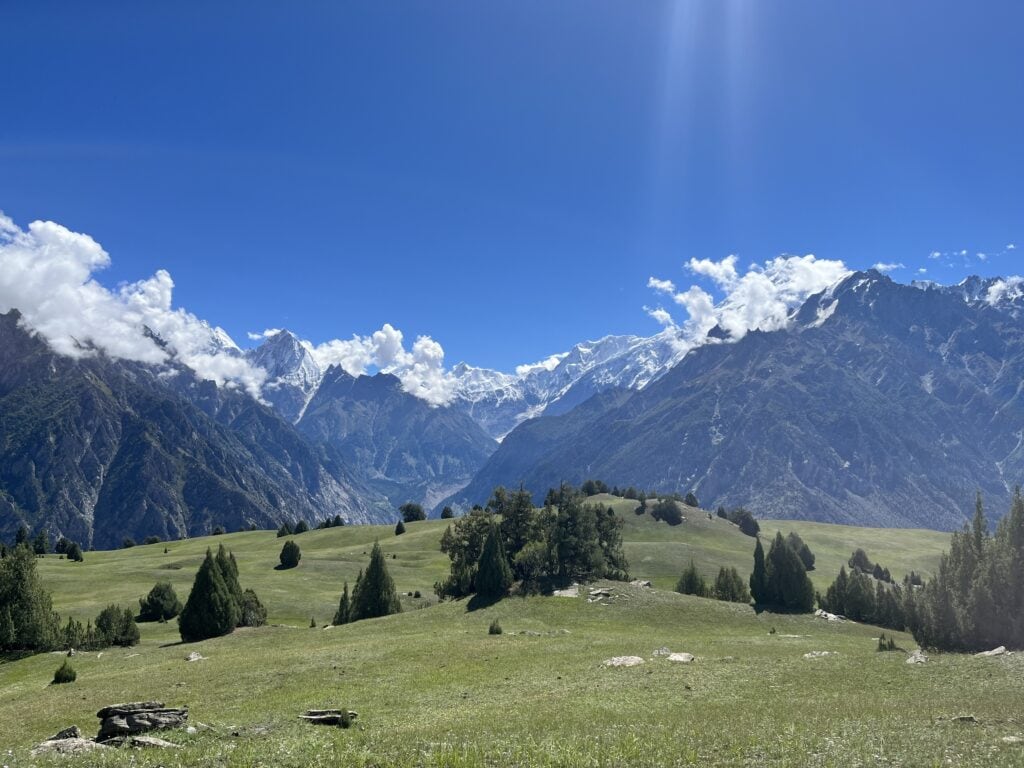
From Islamabad, head north to Hunza, one of the most beautiful parts of Pakistan. The valley sits deep in the Karakoram, surrounded by jagged peaks, glaciers, and small villages tucked into the mountainsides.
Hunza is one of my favorite places in the country, and I’ve been coming here for years. Back in college, I made a habit of visiting at least twice a year whenever I could. I’d spend days wandering around Karimabad, drinking apricot tea, and going out on hikes that always seemed to lead somewhere new. Five days here is about right. You could rush through it, but Hunza is the kind of place that’s better when you give it a bit of time.
Getting To Hunza
For this itinerary, flying is the easiest option. Flights from Islamabad to Gilgit dramatically cut travel time, though they are weather-dependent and occasionally canceled. The overland journey along the Karakoram Highway is also possible if you have the time.
Hunza Highlights
Hunza has something for everyone, whether you’re here to relax and escape into the mountains, want good view points without the stress of hiking, or want to go on multi-day treks. For a detailed list of things to do, read 21 Things To Do in Hunza Valley. Here’s a summary:
Karimabad | The main hub of Hunza, Karimabad is full of charm. Wander its streets, visit Baltit Fort, and enjoy jaw-dropping views of Rakaposhi and Ultar Sar from almost anywhere in town.
Eagle’s Nest | A short drive or ambitious hike from Karimabad, this viewpoint offers some of the most stunning panoramic views in the valley. It’s best at sunrise or sunset, so plan accordingly.
Passu Cones | These jagged peaks are one of Hunza’s most iconic sights. Take your time here—snap photos, enjoy the silence, or hike along the nearby Passu Glacier.
Attabad Lake | Created by a landslide in 2010, this turquoise lake is as beautiful as it is surreal. Rent a boat and paddle out into the calm waters to fully appreciate its beauty.
Hussaini Suspension Bridge | Not for the faint-hearted, this wobbly suspension bridge is an adventure on its own. Even if you don’t cross it, the surrounding views are worth the trip.
Hiking Options | From the challenging Ultar Glacier trek to the scenic Rush Lake trail, there’s something for everyone. For easier hikes, try the Duikar Viewpoint. There are countless multi-day hike options if you are basing out of Hunza. Some of my favourites are Nanga Parbat base camp and Khun Meadows.
Where To Stay In Hunza
Hunza offers a range of accommodations to suit different budgets. Here are some of my recommendations:
Luxury | Serena Hotel Hunza. With its manicured gardens, unbeatable views, and top-notch service, this is where you treat yourself.
Mid-range | Hiraya Resorts and Hunza Lounge. The first is in Aliabad, the latter is in Karimabad.
Skardu (4 days)
If Hunza feels like a dream, Skardu is like stepping onto another planet. With its dramatic mix of rugged mountains, turquoise lakes, and cold deserts, Skardu challenges everything you thought a mountain valley could be.
While Skardu town is charming, I wouldn’t recommend spending all your time there. It’s best used as a base to venture out and explore the surrounding landscapes. If you’re pressed for time or prefer a slower pace, you might consider picking between Hunza or Skardu for your trip. Both are incredible in their own way, and I don’t think I can help you decide which one to pick.

Getting to Skardu
The journey to Skardu is an adventure in itself. If you’re coming from Hunza, the drive is long—about 10-12 hours depending on road conditions—but incredibly scenic. The route winds through some of the most remote and stunning parts of Pakistan.
If you’re traveling from Islamabad, flying is by far the best option. The flight to Skardu is one of the most scenic in the world, offering jaw-dropping aerial views of Nanga Parbat and the Karakoram Range.
Skardu Highlights
Skardu is full of places that will leave you awestruck. If you’re planning a longer stay in Skardu, read my full guide on Skardu.
Shangrila Resort and Lower Kachura Lake | This picturesque lake is perfect for a relaxing day. Sip chai by the water, take a boat ride, and soak in the serenity.
Deosai National Park | Known as the “Land of Giants,” this high-altitude plateau is a must-visit. If you’re lucky, you might even spot a Himalayan brown bear. The untouched beauty of this park is unforgettable.
Satpara Lake | A tranquil turquoise lake just outside Skardu town. It’s a lovely spot for a quiet picnic or a peaceful stroll.
Katpana Desert | Where else can you find sand dunes surrounded by towering mountains? The cold desert of Katpana is surreal and offers some of the most unique photo opportunities.
Skardu Fort (Kharpocho Fort) | Perched on a hill overlooking the valley, this centuries-old fort offers panoramic views and a glimpse into the region’s history.
Shigar Fort | A beautifully restored 400-year-old fort that doubles as a boutique hotel and museum. Even if you don’t stay here, it’s worth a visit to see its stunning architecture.
Hiking Opportunities | Skardu is a trekker’s paradise, offering trails for every skill level. From exploring nearby valleys to more challenging hikes like the trek to K2 Base Camp, the options are endless.
Where To Stay In Skardu
Skardu offers a range of accommodations for every budget. Here are my top picks:
Luxury | Serena Shigar Fort. A unique and luxurious experience in a restored fort with modern amenities and breathtaking views.
Mid-range | Baltistan Fort Skardu. Centrally located with comfortable rooms and fantastic
What To Know Before You Go
Let’s shift focus to some practicalities – social etiquette, budgeting, and safety tips. These are just as important as the itinerary itself, helping you navigate Pakistan with ease, respect, and confidence. After all, experiencing the country is more than just the places you visit—it’s also about understanding and engaging with its culture and people.
What to Wear in Pakistan
What you wear in Pakistan matters, especially for women, and it’s important to keep local cultural norms in mind. While social media might give the impression that revealing clothes are fine, the reality for locals—especially women—is much more conservative. In rural areas, wearing a shalwar kameez (traditional loose tunic and trousers) is the safest option. Even in cities, I recommend keeping a large shawl or scarf with you to cover up when needed. The goal is to dress modestly and avoid drawing attention by covering your curves as much as possible.
For men, shorts aren’t as big of an issue, but you’ll still stand out if you wear them. It’s less about disrespect and more about avoiding unnecessary stares, as clothing norms in Pakistan are stricter for women than men. Just remember: you’re in a conservative Muslim country, so modesty is key to blending in and showing respect.
Budget and All Things Money
Currency and Cash
The currency you’ll need is Pakistani Rupees (PKR). At the time of writing, the exchange rate is approximately 1 USD = PKR 280. Major cities like Lahore, Islamabad, and Karachi have ATMs and accept credit cards at many restaurants and hotels. However, in rural areas, cash is king, and you won’t find ATMs. Always keep enough cash on hand, especially when traveling to remote locations. Currency can be exchanged at banks or money exchange shops in major cities.
How Cheap Is Pakistan?
Pakistan is one of the most budget-friendly destinations you’ll come across. If you’re sticking to guesthouses, eating local food, and using buses, you can easily spend as little as $25–30 a day. However, if you’re flying, hiring private drivers, or staying in boutique hotels, your budget might increase to $50–100 a day.
While haggling is common in bazaars, keep perspective. Arguing over a few rupees with a vendor who likely earns a fraction of what you do isn’t worth it. Supporting local businesses is part of responsible travel, so let your generosity match the hospitality you’ll experience.
Is Pakistan Safe?
Safety is often the first concern for travelers planning a trip to Pakistan. While the media might paint a grim picture, the reality is far more nuanced and one that I can’t possibly answer in a few sentences. I have another post on safety in Pakistan where I try to go into details. But as a summary, most visitors find Pakistan to be incredibly welcoming, with locals going out of their way to ensure their safety and comfort.
That said, it’s wise to stay informed and exercise common sense. Stick to well-traveled routes, avoid discussing sensitive topics like politics or religion, and follow local advice. For women, traveling with a buddy or joining group tours can make the experience more comfortable.
In general, the northern regions (like Hunza and Skardu) are incredibly safe and full of welcoming communities, while larger cities like Karachi and Lahore might require more caution, especially at night. As with any destination, trust your instincts and keep emergency contacts handy.
Getting a visa for Pakistan
A few years ago, Pakistan made traveling much easier by introducing an e-visa system. Most nationalities can now apply for an e-visa through the NADRA website, with options for single-entry or multiple-entry visas, often valid for up to a year.
You’ll need a Letter of Invitation (LOI) to complete your visa application. While some embassies may accept an itinerary or hotel booking instead, it’s rare. Most travelers purchase an LOI from tour companies for a small fee. If you’re a friend or acquaintance reading this, feel free to email me—I’d be happy to help!
Once in Pakistan, you can extend your visa online for about $20. Keep your LOI handy, as extensions often require it.
Arriving in Pakistan
Almost every visitor arriving in Pakistan comes by air. The country has three major international airports: Islamabad, Lahore, and Karachi. Where you choose to land depends on your flight route and which region you plan to explore. For a focus on the mountainous areas in northern Pakistan, Islamabad is the most convenient entry point.
Pakistan does not have many direct flights. Depending on where you are coming from, you will likely be connecting through the Middle East, Malaysia, or Bangkok.
Other methods of arriving in Pakistan include overland routes. The Wagah Border from India and the Taftan Border from Iran are open for travelers. Since 2024, the Khunjerab Pass from China is also accessible, though it remains closed in the winter.
Getting Around in Pakistan
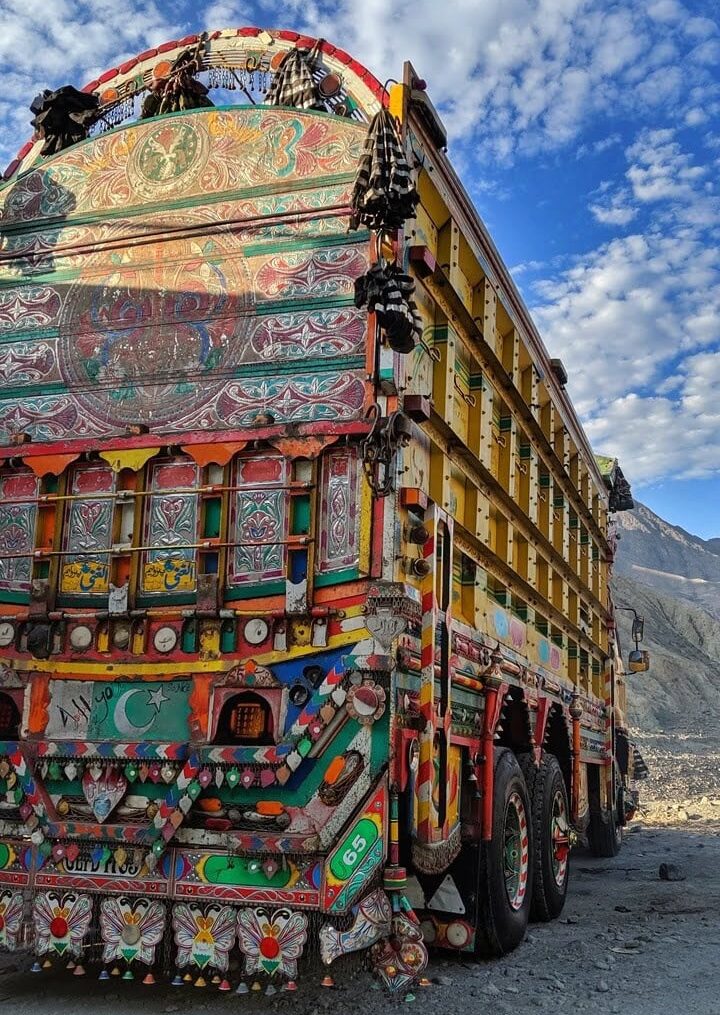
Transport in Pakistan can be challenging, but with some planning it’s manageable. Within cities, ride-hailing apps like Uber and Careem are the easiest option. They’re cheap, reliable, and safer than local minibuses. Motorcycle rides are available on these apps, but I’d stick to cars.
For travel between cities, domestic flights are the fastest way to reach places like Gilgit or Skardu. Just keep in mind that mountain weather frequently delays or cancels flights. If you’re on a budget, buses are a good alternative. Companies like Daewoo run comfortable routes between major cities, while NATCO buses operate in the northern regions, though they’re slower.
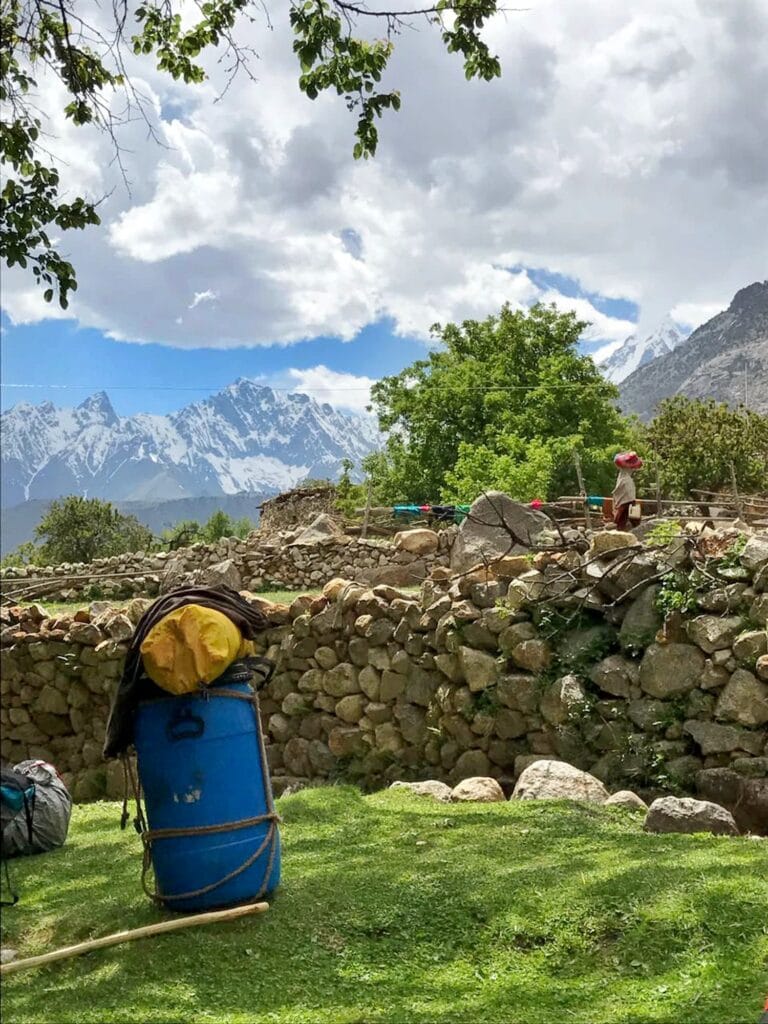
Once you reach the north, hiring a car with a local driver is usually the easiest option. Roads can be rough, signage is limited, and driving conditions aren’t always predictable. Renting a motorcycle is also possible if you’re experienced.
Public transport like minibuses or trains is slow and unreliable, so unless you have a lot of time, it’s best avoided.
For this itinerary, I recommend ride-hailing apps in cities, flights between major destinations, and a driver or motorcycle to explore the mountains.
Before You Book Your Trip
This two-week route is a good starting point for a first trip to Pakistan. It gives you time in Lahore and Islamabad before heading into the Karakoram, where the landscapes really start to open up.
But turning an itinerary into an actual trip requires a bit of planning. Things like visas, transport, and how to move between places like Hunza and Skardu can take some preparation.
Before finalizing your itinerary, it’s worth reading this complete guide to planning a trip to Pakistan, which covers visas, transport, and the logistics most travelers need to sort out before arriving.
