
Okay, I’ll say it. It depends. I know, I KNOW, that’s the most annoying answer you can get to a question like this, and if I were reading someone else’s blog and saw that as the opening line, I’d probably close the tab. But I’ve lived through both ends of Pakistan’s weather extremes myself, so trust me when I say “it depends” isn’t a dodge here. It’s the actual, honest answer.
Summers in Lahore and Karachi push past 40°C (104°F). People die from heatstroke there every year. I’ve also been in the north when it hit -10°C, and -10°C in Toronto with central heating is nothing like -10°C in a village with no heat, no shovelled roads, and inconsistent hot water.
April to May and September to October are the best times to visit Pakistan overall. But if you’re trekking in the north, summer can actually be the better choice, while city-focused trips are far more comfortable in the cooler months. I’ll break it down region by region, then month by month.
Best Time to Visit Pakistan by Region
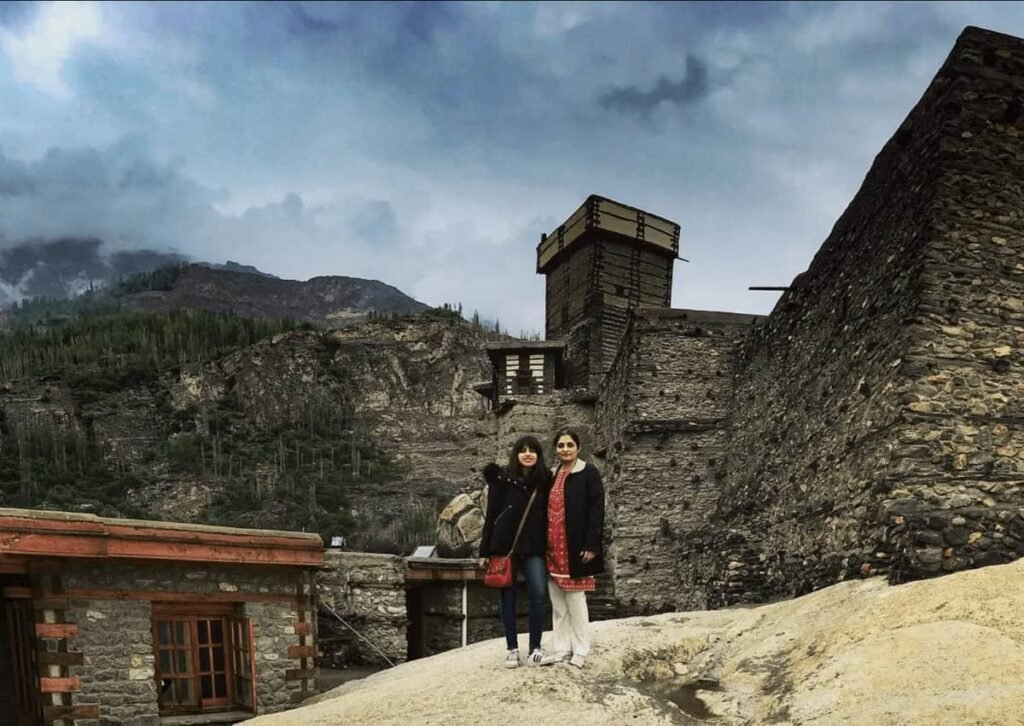
Northern Areas (Hunza, Skardu and Chitral)
If the north is the reason you’re going to Pakistan, and it probably should be, the window you want is May through October. June to September is the warmest stretch, and it’s also when the high mountain roads actually open up, so if you’re trying to get up toward Fairy Meadows or further into Skardu, this is the best time to go. April and May bring cherry and apricot blossoms through Hunza. October turns the whole valley into autumn colour, and it’s one of my favourite times to be up there. If you want the full route mapped out, a full route through Hunza and Skardu covers the logistics.
Skip July and August up north if you can. That’s peak monsoon season, and it’s not just inconvenient. Roads wash out, landslides happen, and you can end up stuck for hours.
Pakistan contributes less than 1% of global greenhouse gas emissions, and it’s still one of the most climate-vulnerable countries in the world. The monsoon up north has gotten more erratic over the past few years, glacial lake outburst floods, rainfall that used to be predictable and now isn’t. Some of that is climate change doing what climate change does to a mountainous, glacier-heavy region. Some of it is decades of roads and infrastructure built without much thought for what happens with global warming.
Once you’re actually there, there’s a lot to do in Hunza beyond just driving through it, and if Skardu’s on your list, here’s how I’d spend your time there.
Major Cities (Lahore, Islamabad, Karachi)
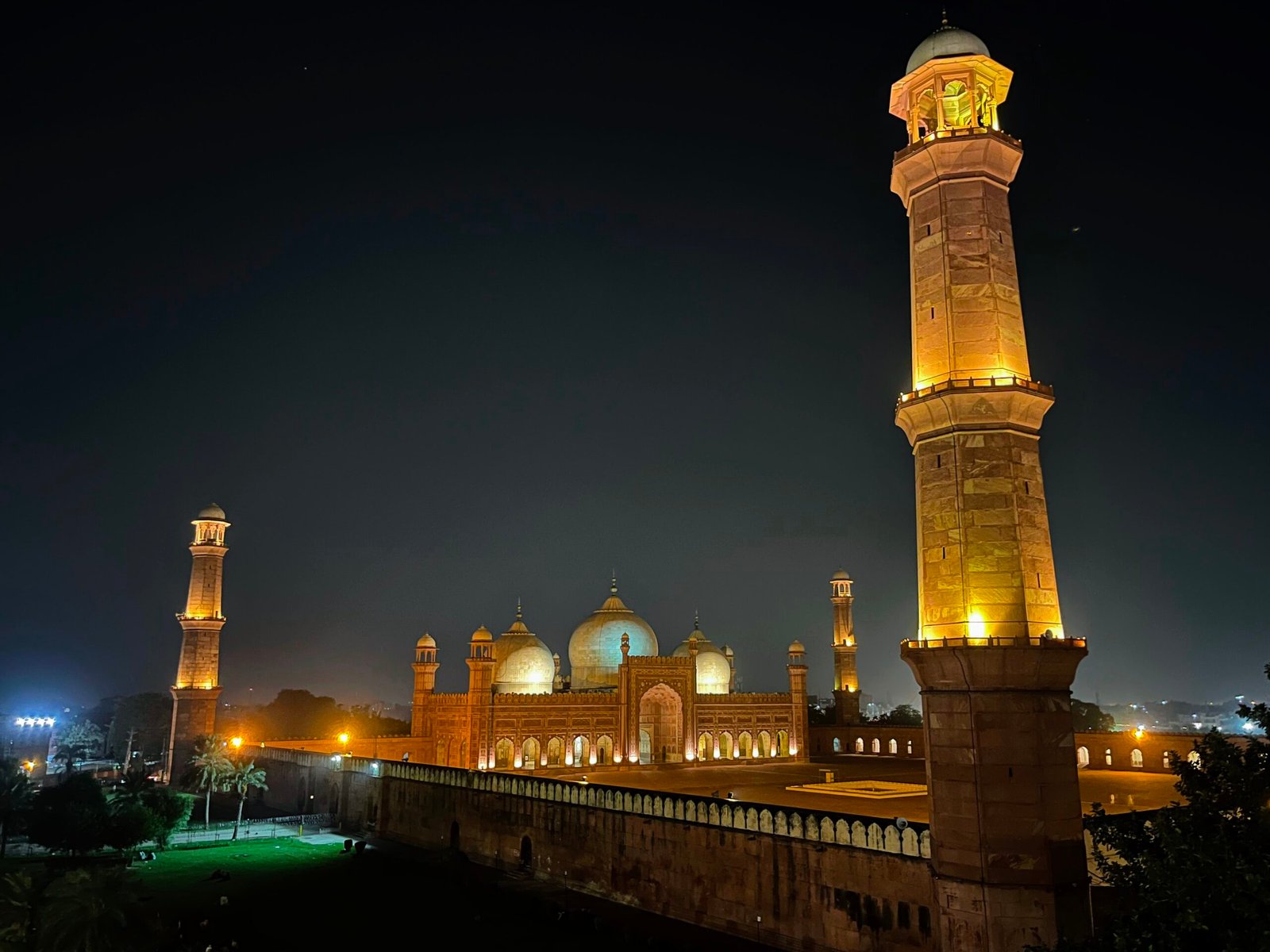
IIf you’re mainly there for the cities, Lahore, Islamabad, Karachi, you’re probably after history, culture, and architecture more than mountain passes. October through March is your window. Comfortable temperatures and actual ability to walk around.
Summer, May through August, is brutal, especially in Lahore and anywhere inland. Karachi stays warm year-round, but even Karachi is nicer in winter. Brutal isn’t just the temperature. Load shedding means you can lose power for hours at a time, and even in the posh areas with generators, on standby, I’ve still been stuck sweating through it more than once. The privilege only stretches so far.
If history and architecture are the draw, Pakistan’s historical sites are worth building a trip around, and October through March is when you’ll actually want to be out exploring them.
Not sure where to go in Pakistan?
Take my quiz and get a 9–12 day route that matches how you like to travel.
Take the quizHere’s the catch. November through February, the months I just called the most comfortable, are also smog season in Lahore, driven by crop burning, traffic emissions, and a winter temperature inversion that traps everything close to the ground instead of letting it clear. Flights get delayed. Visibility drops. And your lungs will definitely feel it.
Once your dates are sorted, Lahore’s old city alone can fill a few days, and Islamabad’s slower, greener pace makes a decent contrast if you’re splitting your time between the two.
Mountain Trekking (Karakoram & Himalayas)
June through September is trekking season. Outside that window, you’re either dealing with snow still on the trail or roads that haven’t opened yet. Don’t trust April, snow is still sitting on most routes then. May is your earliest reliable month, once it’s melted off properly. Popular routes around K2 also open up during this stretch.
I stopped hiking in winter after a mountaineering course that hit -20°C that I have PTSD from. You expect the cold on the mountain. What you don’t expect is coming back to a hotel afterward and still not getting warm, no heated room, no hot shower, just cold for the entire trip. That’s why I don’t budge on this window anymore.
A couple of my favourite hikes I’ve done in this season:
- Nanga Parbat base camp via Rupal Valley, a 3-day route
- Khaltaro Valley
Best Time to Visit Pakistan, Month by Month
| Month | Good for | Heads up | Crowds & price |
|---|---|---|---|
| January | Mild city sightseeing (Lahore, Islamabad, Karachi) | Smog still lingering in Lahore; north largely inaccessible | Quiet, ordinary pricing once New Year’s rush clears |
| February | Continued city season | Smog tail end in Lahore | Quiet, ordinary pricing |
| March | Spring transition, city tours before the heat | North still too cold for trekking | Normal |
| April | Early blossoms up north, cities still comfortable | Snow still sitting on most trekking routes | Starting to pick up |
| May | Northern valleys opening, blossoms, one of the best all-round months | Cities getting properly hot | Moderate, rising toward summer |
| June | Full northern season open, trekking begins | Cities unbearably hot; northern prices starting to climb | Rising |
| July | High-altitude trekking | Peak monsoon up north, landslide and road-wash-out risk | Peak pricing and crowds up north |
| August | High-altitude trekking (tail end) | Monsoon risk still live up north | Still peak up north |
| September | Trekking still good early on, autumn colour starting | Watch the tail end of monsoon | Busy, starting to ease |
| October | Best all-round month, autumn foliage up north, comfortable cities | Nothing major | Still fairly busy, easing toward off season |
| November | Comfortable cities, good for sightseeing | Smog building in Lahore; snow returning up north | Quiet, normal pricing |
| December | Comfortable cities, festive atmosphere | Smog in full effect in Lahore; northern roads closing | Flights spike hard, “wedding season,” diaspora coming home for the holidays |
FAQs
Is it a bad idea to visit Pakistan during Ramadan?
Honestly, yes, if food matters to your trip, and it should. Most local restaurants close or cut hours during daylight fasting, so you’re stuck relying on hotels and tourist-facing spots for meals. Eating in public also draws unwanted attention. If you can shift your dates, I would.
What’s the cheapest time to visit Pakistan?
Outside June-August (peak northern season) and mid-December through New Year’s (flight prices spike for diaspora travel), pricing stays fairly normal. Spring and early autumn offer good weather without the surge.
Is Eid a good time to visit Pakistan?
It’s festive, but expect heavy domestic travel as families move between cities. Transport gets packed, tourist sites get busy, and hotel demand rises. Book early if you’re travelling around Eid.
What’s the rainiest month in Pakistan?
July and August, driven by monsoon. It hits hardest in the north, bringing landslide and road-closure risk. Cities see heavy rain too, also with a lot of disruption.
What’s the coldest month in Pakistan?
January, typically. Northern areas like Hunza and Skardu regularly drop below -10°C, while southern cities like Karachi stay mild. The cold hits hardest in the mountains, where infrastructure isn’t built for it.
Can you visit northern Pakistan in winter?
Technically, yes, but most roads close and heating is unreliable below -10°C. If you want snow without the risk, Pakistan’s ski season runs through winter and is a better bet than trekking.
What’s the hottest month in Pakistan?
June, generally, especially in Lahore and Karachi, where temperatures regularly pass 40°C. Heatstroke deaths are reported most summers. If cities are your focus, avoid May through August.
Do I need to pack differently depending on when I go?
Yes. Winter up north needs serious cold-weather gear; summer cities need light, breathable clothing. Modesty norms apply year-round regardless of season. Check Pakistan’s dress code before you pack.
If This Is Your First Trip to Pakistan
I’ll be upfront about my bias here: the mountains are what Pakistan has that nothing else does. You can find good food, good history, and warm people in a dozen other countries. You can’t find the Karakoram anywhere else. So if you’re still undecided after everything above, that bias is baked into what I’m about to tell you.
Default to May or September/October. That’s the answer that works whether you end up prioritising the north, the cities, or some mix of both, and it’s the one I’d give a friend who asked me this in one sentence.
If you’re specifically there to hike, though, that changes. You’re looking at June through September instead, and that means giving up the comfortable city weather to get it. Lahore and Islamabad in July are miserable, and if the mountains are the whole point of your trip, that’s a trade worth making.
Once your dates are set, the next steps are the visa process and planning your first trip to Pakistan, logistics and all, which covers everything I didn’t get into here.
