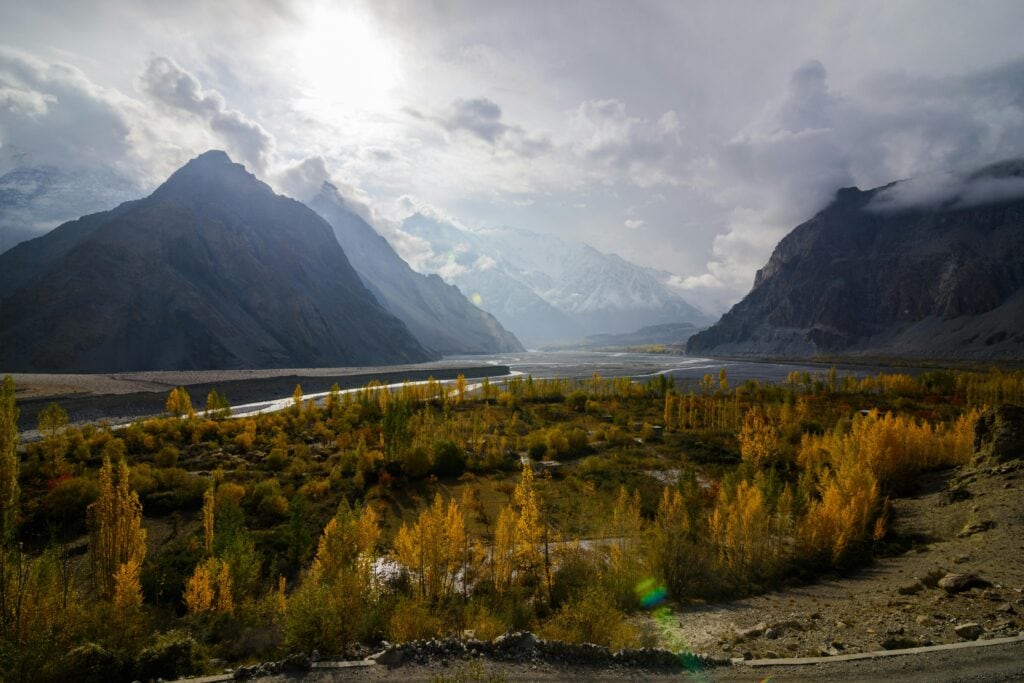
Hunza Valley is my favourite place on earth. Bold statement, I know, but hear me out. Tucked deep in Gilgit-Baltistan, Hunza is surrounded by snow-capped peaks, turquoise lakes, and centuries-old forts that sit watching over the valley from every angle.
Unlike a lot of Pakistan, women here walk around freely, run their own businesses, and are just as much a part of daily life as anyone else. The crime rate is close to zero, and street harassment, a genuine problem in most of the country, is basically nonexistent here. Add in the hospitality, the organic food, and a mix of adventure and history you don’t really find anywhere else, and it’s easy to see why I keep going back.
Tourism’s grown a lot since my first trip, and it’s easy to get pulled into the same five Instagram spots and call it a trip. After 12 visits since 2014, I’ve put together this list: the places worth your time, a few that don’t need to make the cut, and everything in between, with real opening hours, entry fees, and my honest opinion on each one.
About Hunza
Hunza splits into three regions. Lower Hunza is where the Hunza River cuts through rugged valleys. Central Hunza is home to the historic forts and Karimabad, the main town and where you’ll likely be based. Upper Hunza, also called Gojal, is the high-altitude stretch leading up to Khunjerab Pass.
Towering over all of it are some of the world’s highest peaks: Rakaposhi (7,788m), Ultar Sar (7,388m), and Ladyfinger Peak (6,000m). Their snow-covered summits are visible from nearly every corner of the valley, so don’t be surprised if you stop mid-sentence a few times just to stare.
1. Hike Up to the Forts – Baltit and Altit
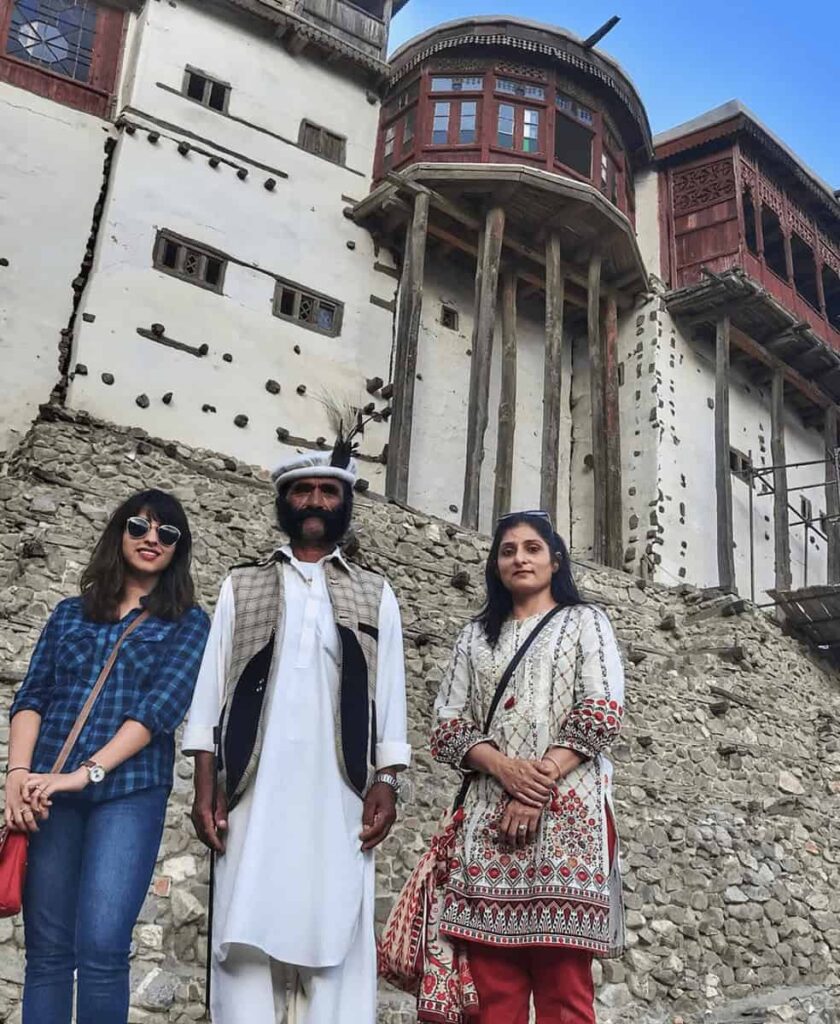
If you’re in Hunza, you’re hiking up to Baltit and Altit Forts—no debate. These two centuries-old structures sit on the hills above Karimabad, and if you’re even remotely interested in history, culture, or just getting insane panoramic views, they’re well worth the climb.
The forts were built to protect Hunza’s rulers, keep an eye on trade routes, and, let’s be honest, show off a little. Both have been carefully restored, and a guided tour gets you a solid history lesson without the boring textbook feel.
Baltit Fort
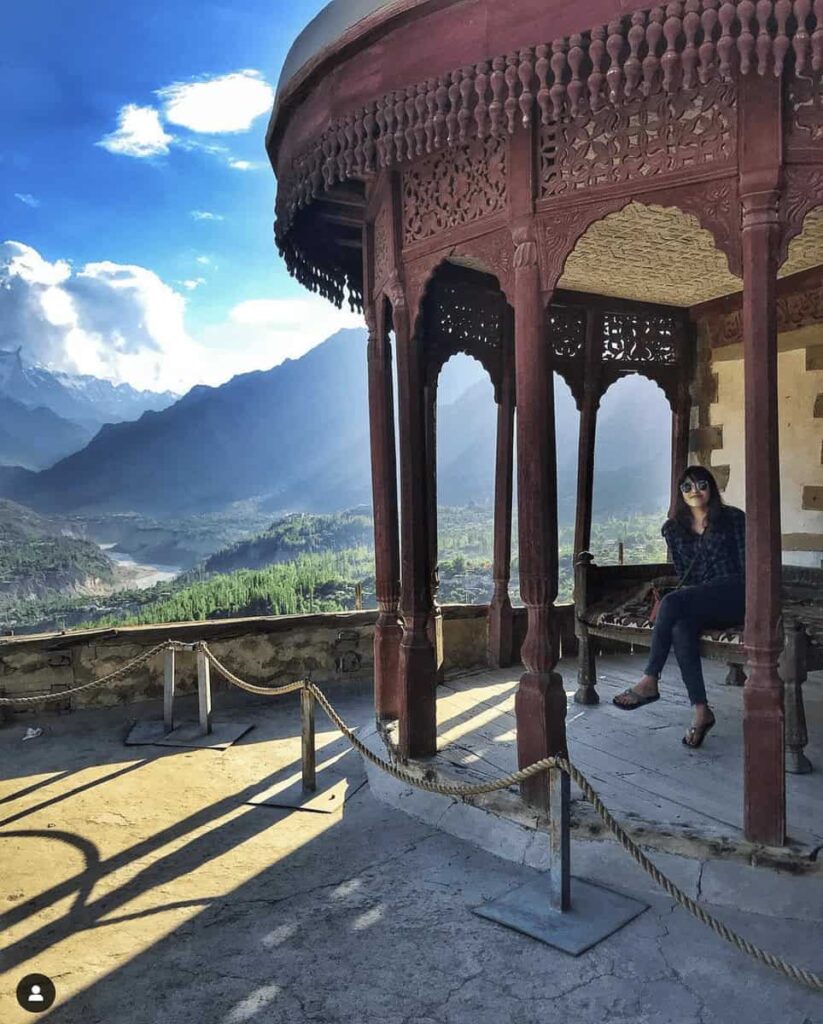
Baltit Fort is the one you’ve probably seen in every Hunza photo. It’s perched right above Karimabad, with Tibetan-style wooden balconies and a presence that makes it obvious why it was once home to the Mirs of Hunza, the valley’s rulers, who built it overlooking the old Silk Road.
Inside, you’ll walk through dimly lit hallways, rooms filled with old weapons, and even a secret escape tunnel, because every good fort needs one. A guided tour makes a real difference here. They’ll explain why the rulers eventually abandoned Baltit for Altit, what alliances were formed within these walls, and the role the fort played in local battles. The rooftop views of Rakaposhi and Diran Peak are the bonus nobody warns you about.
Opening Hours | 9 AM–5 PM (Daily)
Entry Fee | PKR 2,000 (Foreigners, ~$7 USD) | PKR 600 (Locals)
Best Time to Visit | Early morning for peace and quiet, or late afternoon for the golden-hour glow
How to Get There | A 15–20 minute steep walk from Karimabad Bazaar
Altit Fort
Altit Fort doesn’t get as much hype as Baltit, but it’s older, grittier, and arguably more interesting. Built over 900 years ago, this was Hunza’s original royal residence, positioned to spot invading forces long before they got close. It’s a stark contrast to Baltit’s elegance: thick stone walls, narrow corridors, a much more practical, no-frills design.
The execution rock is one of the fort’s darker landmarks. Criminals, or just unlucky people, were shoved off the edge as punishment. The guides point it out casually. Try not to stand too close.
Right outside the fort is the Royal Garden, an unexpectedly peaceful spot with terraced apricot orchards and shaded seating areas. Visit in spring, March to April, and the whole area turns pink and white with apricot blossoms. It’s one of the most beautiful corners of Hunza, and most people walk straight past it.
There’s now an option to stay in the fort itself, the Serena Altit Fort Residence, built into what used to be the Royal Gardens. I haven’t stayed there myself, it’s a bit out of my budget, but it’s on the list for whenever this blog starts paying for itself.
If forts and old stone walls are your thing, Pakistan has a fair few worth building a trip around, and Hunza’s are just the start.
Opening Hours | 9 AM–6 PM (Summer) | 9 AM–4:30 PM (Winter)
Entry Fee | PKR 1,600 (Foreigners, ~$6 USD) | PKR 600 (Locals)
Best Time to Visit | Early morning or late afternoon
How to Get There | A short walk down from Baltit Fort, or a direct route from Karimabad Bazaar
2. Visit Borith Lake
Borith Lake sits at 2,600 meters in Upper Hunza, near Gulmit. It’s a saltwater lake fed by glacial melt, with stunning reflections of the surrounding peaks.
Getting there is easy. A jeep track runs from Hussaini village, or you can trek up from Gulmit, a scenic but steep climb. The lake is a solid stop for birdwatchers in spring and autumn, when migratory ducks pass through.
I camped here once in winter, and I still have mild PTSD from it. Zero degrees, brutal wind, a sleeping bag that was nowhere near warm enough. Bad decisions were made. If you’re not as stupid as I was, Borith is a good spot to relax, picnic, or trek toward Passu Glacier for even better views.
3. Explore Gulmit
Gulmit is the heart of Upper Hunza, about 30 minutes from Karimabad. It’s a quiet, traditional Wakhi village surrounded by peaks, apricot orchards, and ruins that have been there longer than anyone can quite explain.
I visited with one of my guides, who insisted we stay at his family’s home. Some of the nicest people I’ve met on any trip, genuinely.
Walk through the narrow village paths, visit the small Gulmit Museum, and take in the wooden Wakhi houses that have stood for centuries. There’s also a short hike up to Ondra Fort, with a solid view of Attabad Lake and the Passu Cones.
4. Cross Hussaini Suspension Bridge
The Hussaini Suspension Bridge connects the villages of Hussaini and Zarabad over the Hunza River. Wooden planks, wild wind, a serious drop below. It looks like a set piece from an adventure film, except locals actually use it daily to get to their fields and homes.
If you’re up for it, crossing it is a genuine thrill. If not, watching other people attempt it is entertainment enough on its own.
Nearby you’ll find Borith Lake, the Passu Glacier trek, and some of the best views of the Passu Cones. Good for a quick stop or a full day out.
5. Ride a Motorbike Along the Karakoram Highway
The Karakoram Highway, sometimes called the “Eighth Wonder of the World,” is a road trip unlike anything else. It cuts through Hunza’s peaks, past glacial rivers, and into high-altitude desert, connecting Pakistan to China at Khunjerab Pass.
I didn’t ride myself. I sat on the back of a friend’s bike, which gave me a front-row seat to Hunza’s landscapes without having to think about the road. Lakes, glaciers, and the occasional mountain goat casually navigating a cliff like it’s nothing.
Motorbike Rental | PKR 4,000–10,000/day (~$12–30 USD)
6. Visit Khunjerab Pass
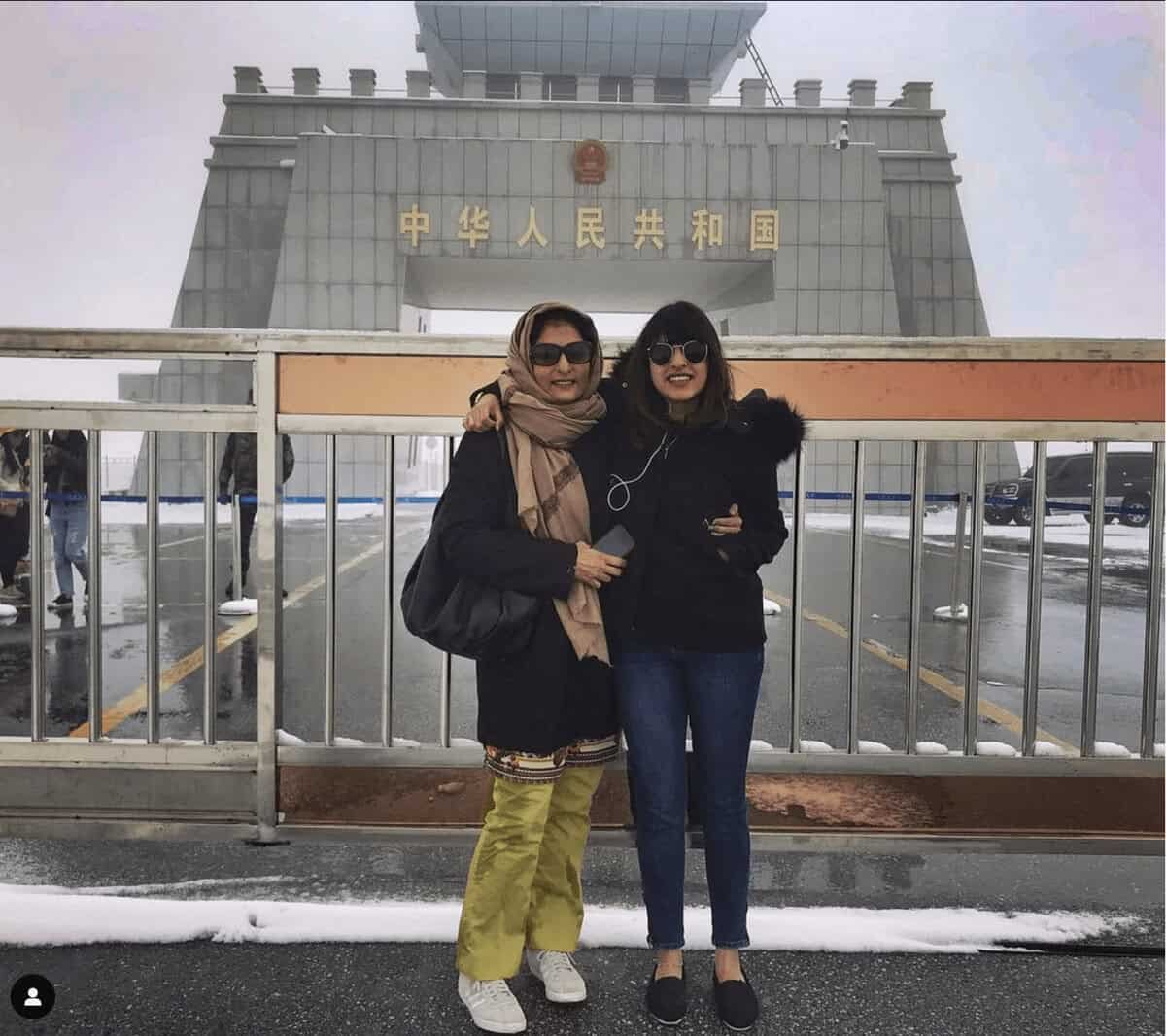
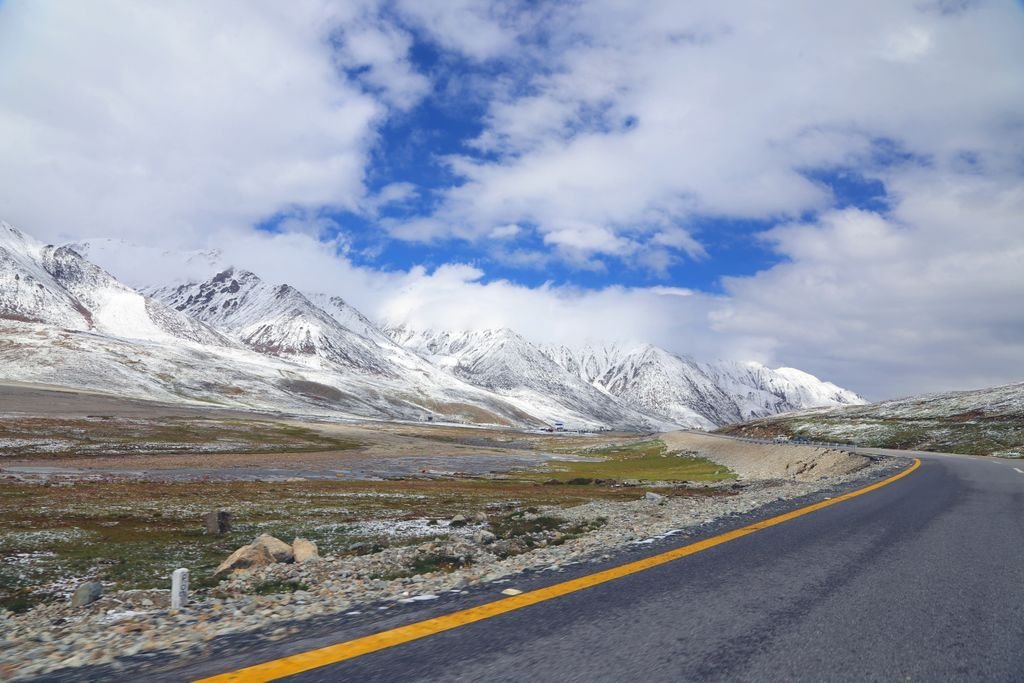
At 4,693 metres (15,397 feet), Khunjerab Pass is the highest paved border crossing in the world, where Pakistan meets China. It’s an impressive feat of engineering. It’s also, let’s be honest, a long day for one photo at a border post.
The drive takes 4–5 hours each way from Hunza, through Khunjerab National Park, where you might spot ibex, markhor, or, if you’re ridiculously lucky, a snow leopard. That’s still 10 hours in a car for a photo at a checkpoint. If you’ve got the time, go for it. If not, there are better ways to spend a day in Hunza.
Bring warm layers even in summer. Temperatures at the top drop below freezing regardless of the season.
Entry Fee | There is a fee of (~ 12 USD) for foreigners as you are entering in to Khunjerab National Park
7. Trek to Rakaposhi Base Camp
You see Rakaposhi (7,788m) from almost anywhere in Hunza, but trekking to its base camp is the only way to actually feel its scale.
It’s a steep but doable trek, and you don’t need a guide if you’re used to hiking. The first half is an easy walk through alpine meadows. The final stretch is a grinding ascent, but it puts you right in front of Rakaposhi’s ice walls.
Camping overnight at Taghafari Base Camp is an option, or you can do it as a long day hike if you’re short on time. Either way, expect sore legs.
Trailhead | Minapin village
Distance | ~12 km
Elevation Gain | ~1,500m
Base Camp Altitude | 3,700m (Taghafari)
Time Required: 6-8 hours one way
8. Discover Ganish Old Village
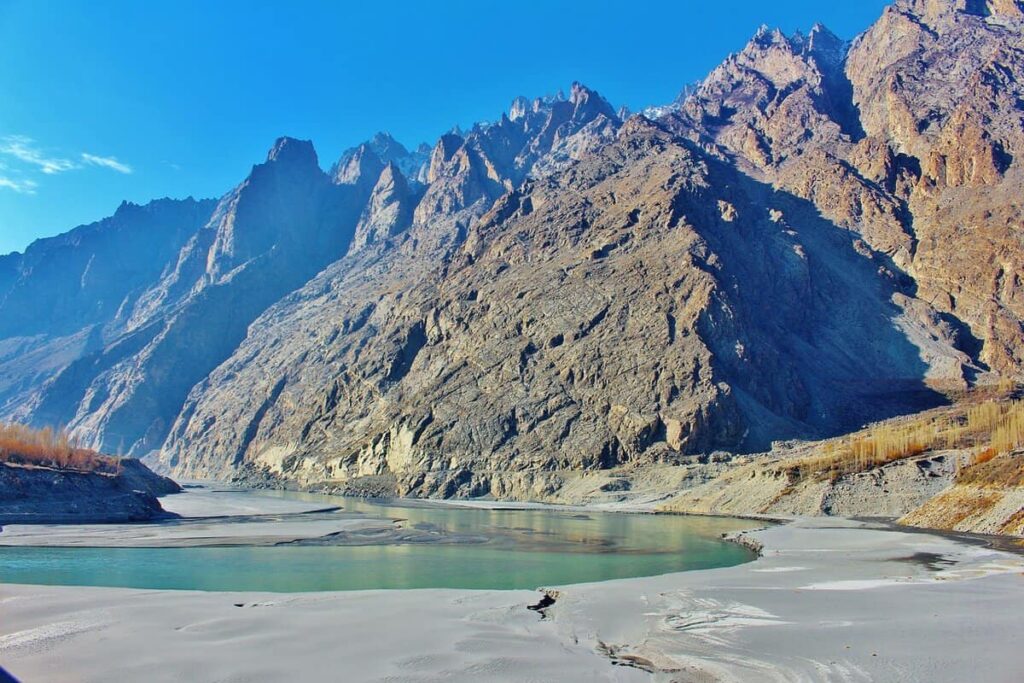
Ganish is the oldest settlement in Hunza, over 1,000 years old, and once a key stop on the Silk Road. Narrow alleys, traditional wooden houses, and four mosques over 300 years old, still standing and still in use.
Unlike the more polished tourist spots in Hunza, Ganish feels raw and lived-in. You’ll see centuries-old water channels, communal spaces, and storage rooms once used for aging butter. Yes, really. The site has UNESCO recognition for its conservation work.
A local guide is worth it here. They’ll walk you through the village’s history, its Wakhi and Burusho traditions, and the watchtowers that once protected it from invaders. If you want a sense of Hunza before roads and tourism, this is it.
9. Explore Attabad Lake
Attabad Lake is beautiful and also a bit heavy to sit with. Back in 2010, a massive landslide buried villages, blocked the Hunza River, and created this lake overnight. Today, it’s one of Hunza’s biggest attractions, with its electric-blue water stretching between cliffs.
It gets crowded, speedboats, jet skis, cafes lining the shore. But it still has its moments. Go early morning for some quiet, or take the short hike up the cliffs for a view without the noise.
Attabad is also a reminder that this landscape only exists because entire villages are underneath it now.
10. Savor the Local Food Scene
Hunza’s food scene isn’t flashy, but it’s comforting, homey, and deeply tied to the land. Meals here are simple, organic, and built for the cold mountain air.
- Mamtu – Steamed dumplings stuffed with spiced meat and onions. Try them at Muliaan’s Kitchen, a woman-run spot in Karimabad that keeps Hunza’s flavors alive.
- Chapshuro – Hunza’s take on a meat pie, filled with minced yak or beef, baked in a tandoor.
- Walnut Cake – Café de Hunza’s version is famous, best paired with their strong coffee and a mountain view.
- Apricot Products – Apricot jam, dried apricots, and even apricot oil—Hunza’s staple fruit shows up in everything.
For a wider variety of traditional dishes, head to Hunza Food Pavilion, where you’ll find thick soups, handmade breads, and seasonal specialties straight from the valley’s farms.

11. Hike to Ultar Base Camp
Ultar Sar (7,388m) looms over Hunza, and trekking to its base camp is one of the toughest hikes in the valley. Also one of the most rewarding.
The trail starts in Karimabad, passes through Shahabad and Shamir Harai, then reaches Bath Bakhor, where the real climb begins. Loose rock, exposed ridges, steep the whole way, but the views back over Hunza Valley and Ladyfinger Peak make every step worth it.
The final stretch drops you into a wild, glacial valley surrounded by sheer rock faces and snow-covered peaks. Not for beginners. If you’ve got the stamina, camping here under the stars is unreal.
Best time to go is late spring to early fall, when the trails are clear and the weather is mostly stable.
Trailhead | Karimabad
Distance | ~10 km
Elevation Gain | ~1,500m
Base Camp Altitude | ~4,100m
Time Required | 6-8 hours one way
12. Go River Rafting in Hunza River
If you want adventure with a view, rafting the Hunza River is the move. The glacier-fed water is icy and fast, and you’re navigating rapids with massive peaks towering on either side.
Most trips start near Gilgit or Karimabad, with beginner-friendly rapids that still pack a punch. Summer, May to September, is when the river’s at its strongest.
I haven’t ticked this one off my own list yet. It’s only a matter of time. There are a few local operators in Karimabad and Gilgit running trips, and if rafting is more your thing than mine, I’ve written more on where to do it properly in my guide to river rafting in Pakistan.
13. Watch a Freestyle Polo Match
Polo in Hunza has nothing to do with the polished version you’d see on TV. This is raw, played at full speed, with none of the rules you’d expect. Locals call it the “Polo of Kings,” but here it’s really a game of grit and pride.
You don’t need to wait for the Shandur Polo Festival to catch one. Aliabad and Karimabad Polo Grounds host matches throughout the year, especially during festivals like Jashn-e-Baharan (Spring Festival) and Ginani (Harvest Festival).
If you’ve never seen freestyle polo, expect chaos on horseback and crowds just as invested as the players.
14. Watch locals play cricket by the Passu Cones
I wasn’t expecting to find a cricket match in the middle of the mountains, but while staying in Passu, I stumbled onto one of the best games I’ve ever watched.
No official stadium, just an open field, a makeshift pitch, and the jagged Passu Cones looming behind it. The players were locals, the game was intense, and the whole thing felt like something I wasn’t supposed to have found.
Keep an eye out in the evenings or on weekends if you’re staying in Passu. Locals gather for casual matches, and they won’t mind if you jump in for a few overs. Just don’t expect a flat wicket.
15. Experience Cherry Picking in Hunza
If you’re in Hunza between May and early July, cherry picking is worth building a morning around. The valley’s cherries are small, sweet, and nothing like what you’d get from a shop.
Farmers in Karimabad, Aliabad, and Gulmit often let visitors pick for a small fee, sometimes for free if you ask nicely. Some guesthouses have their own orchards, meaning breakfast is literally off a tree.
Wear good shoes, since you’ll be walking through farms and maybe climbing a few trees.
Cost | PKR 200–500/kg (~$0.70–1.80 USD) if you’re taking some home
16. Join a Traditional Hunza Festival
Festivals in Hunza aren’t just events, they’re a full community celebration. Whether it’s the Spring Blossom Festival, when the valley turns pink and white with apricot blossoms, or Ginani, marking the start of the harvest, these bring music, dance, and local tradition out into the open.
You don’t just watch. Locals will pull you into the dancing, hand you plates of home-cooked food, and treat you like you belong. If you’re in Hunza during festival season, don’t stand on the sidelines.
17. Walk on a Glacier
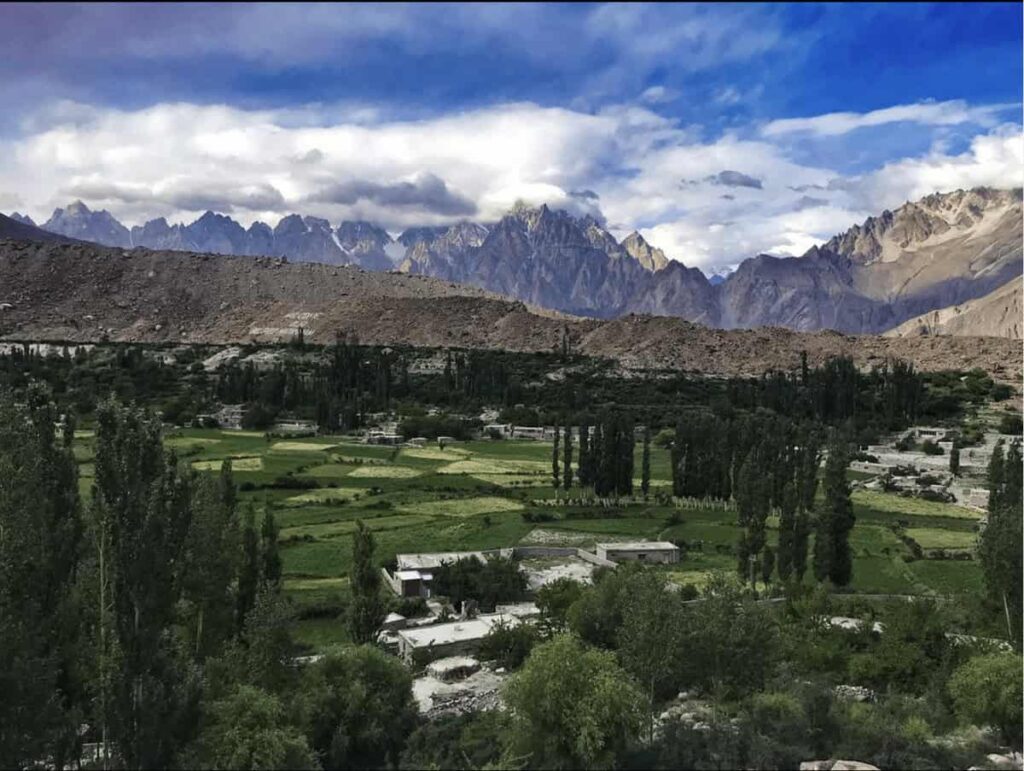
Walking on a glacier in Hunza doesn’t take an expedition team or a permit, just a bit of effort and the right spot.
Ghulkin Glacier, near Ghulkin village, is the most accessible, though it’s mostly rock-covered these days. For actual ice, head to Passu Glacier, reachable via a short hike from Borith Lake’s Zero Point.
For something more remote, Batura Glacier stretches 57 km, one of the longest in the world. If you’re up for an overnight trek, it’s a different experience entirely: nothing but ice, rock, and the sound of distant avalanches.
Glaciers shift. Walk carefully, and don’t go alone unless you actually know what you’re doing.
18. Try Hunza Water (at your own risk)
Hunza Water isn’t what it sounds like. It’s local homemade moonshine, brewed from grapes, mulberries, apples, or apricots. Despite Pakistan’s strict alcohol laws, if you know where to look, you’ll probably come across it here.
Locals have been making it for centuries. It’s smooth, but stronger than it looks. If you’re curious, find someone trustworthy to point you toward it, the good stuff is home-brewed, not mass-produced. Know your limits. It hits harder than you’d expect.
19. See Nanga Parbat and the Meeting Point of Three Mountain Ranges
Driving up the Karakoram Highway, there are two roadside stops worth the pull-over.
- Nanga Parbat Viewpoint, at 8,126 metres, the 9th highest mountain in the world, nicknamed the “Killer Mountain” for its climbing history. You don’t need to trek to its base camp to feel how massive it is. Even from the road, it’s overwhelming.
- The confluence of three mountain ranges, the exact point where the Karakoram, Hindu Kush, and Himalayan ranges meet. Raw and rugged, a good photo stop before you continue further into Hunza.
Both are easy stops, right off the highway, no detours required.
20. Buy Souvenirs at Karimabad Bazaar
If you’re taking something home, Karimabad Bazaar is where to do it. Lining the steep streets that wind up toward Baltit Fort, this market has locally made handicrafts, gemstones, and traditional clothing.
The best finds are Hunza’s gemstones, aquamarine, topaz, ruby, though you’ll need to bargain properly. Woolen shawls and handmade rugs are also worth it, especially the yak wool ones, lightweight but genuinely warm.
A traditional Hunza cap makes a solid souvenir, and dried apricots and walnuts are the edible staple, good for gifts or road trip snacking. Skip the mass-produced trinkets. The vendors here are friendly and happy to talk about their own work if you ask.
21. Explore Hopar Valley
Just 30 km from Karimabad, Hopar Valley is where you go to get away from everyone else. The drive is half the point, winding mountain roads leading to one of Hunza’s quieter, more underrated corners.
Once you arrive, it feels like its own world. Quiet meadows, traditional stone houses, locals who actually mean it when they say hello.
Batura Glacier is the main draw here, reachable via a short trek from the village. It’s far less touristy than Passu Glacier, which makes the whole thing feel more immersive and a lot less staged.
Beyond the glacier, Hopar is good for slow walks and just taking in Hunza at a different pace. If you want a break from the busier spots, this is the detour.
Where To Stay In Hunza
Hunza offers a range of accommodations to suit different budgets. Here are some of my recommendations:
Luxury | Serena Alti Fort. With its manicured gardens, unbeatable views, and top-notch service, this is where you treat yourself.
Mid-range | Old Hunza In. Centrally located in Karimabad, this is a reliable and comfortable option.
Logistics for Visiting Hunza
Getting to Hunza
The most common way to reach Hunza is via the Karakoram Highway (KKH) from Islamabad, a 20-24 hour drive that’s best split over two days with a stop in Naran (summer) or Besham (year-round). If you want to skip the long road journey, flights to Gilgit are available, but delays due to weather are common. From Gilgit, Hunza is just a 2-3 hour drive.
Getting Around
- Public Transport: Shared vans (called Hiace) run between towns, but schedules are unreliable.
- Private Car with Driver: Costs PKR 10,000 per day but makes remote areas more accessible.
- Motorbike Rental: PKR 1,500 per day, great for exploring at your own pace.
Connectivity & Local SIMs
Hunza’s WiFi is hit or miss, and only Telenor and SCOM SIMs work decently. Even then, expect slow speeds. Download offline maps before arriving.
Cultural Norms & Local Etiquette
Hunza is predominantly Ismaili Muslim, known for its openness and hospitality. Women travelers will find dress codes more relaxed here than in other pars of Pakistan, but covering shoulders and legs is still recommended out of respect. Learning a few words in Burushaski or Wakhi goes a long way!
What’s Next After Hunza?
Twelve visits in, and Hunza still isn’t the place I recommend as someone’s only stop in Pakistan. It’s the place that ruins you for everywhere else, the standard every other valley gets measured against, and also just one piece of a much bigger picture. Skardu, Naltar, the drive up through Gilgit, they’re all doing their own thing, and you’d be missing most of the country’s north if Hunza was the whole trip.
If you’re already this deep into planning, you’re clearly not doing the two-day rushed version. Go build out the rest of the route. I’ve laid out exactly how to string it together, Hunza included, in my Northern Pakistan itinerary.
Frequently Asked Questions
What is the best time to visit Hunza Valley?
The best time to visit Hunza Valley is April to October. Spring turns the valley pink with apricot blossoms, summer is prime trekking season, and autumn is stunning with golden foliage. Winter is harsh and best avoided unless you’re here for snow and solitude. You can read more about trekking seasons in Pakistan here.
What is the daily budget for a trip to Hunza?
Your daily budget in Hunza depends on how you travel. Budget travelers can get by on PKR 5,000-10,000 per day, while mid-range travelers should expect PKR 15,000-20,000 per day. Accommodation ranges from PKR 7,000-20,000 per night, meals cost PKR 1000-2,000, and a car with a driver is around PKR 10,000 per day. Motorbike rentals go for about PKR 1,500 per day, and treks may have extra guide and gear costs.
How safe is Hunza for tourists?
Hunza is one of the safest places in Pakistan. Crime is practically nonexistent, and the locals are incredibly welcoming. Women travelers, including foreigners, find it much more comfortable than many other parts of the country, with relaxed dress codes and a strong sense of community safety.
Is a permit required for foreigners to visit Hunza?
No permit is required for foreigners to visit Hunza, except if you’re planning to go near the China border, in which case you may need special permission.
Can you visit Hunza in winter?
Yes, but only if you’re ready for harsh cold, snow-blocked roads, and limited activities. If you’re after adventure, consider skiing in Naltar instead, which is a better winter destination.
